
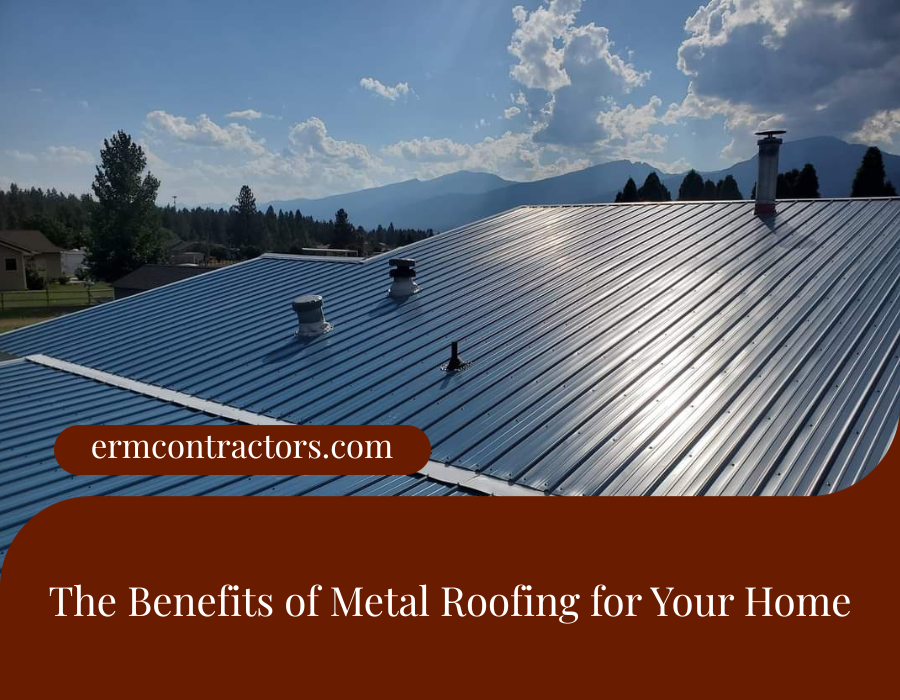
Choosing the right roofing material is one of the most important decisions for homeowners. Modern roofing options include asphalt shingles, clay tiles, slate, and metal roofing. Among these, metal roofs have gained significant popularity due to their longevity, durability, and energy efficiency. Understanding the metal roofing benefits can help you make an informed choice for your home.
In this guide, we’ll cover the top 7 metal roofing benefits, installation considerations, maintenance tips, and why a metal roof is a smart investment for your property.
1. Exceptional Durability
One of the most significant metal roofing benefits is durability. Metal roofs are built to withstand extreme weather conditions, including:
-
Heavy rain and snow
-
Strong winds and hail
-
Fire and lightning
-
Impact from falling debris
Unlike asphalt shingles that may crack or curl over time, metal roofing can last for decades without significant wear. With proper installation and maintenance, many metal roofs can last 40–70 years, making them one of the longest-lasting roofing options available.
The high durability also means fewer emergency repairs and reduced long-term costs, which adds to the overall value of your home.
2. Energy Efficiency and Lower Utility Bills
Another key benefit is energy efficiency. Metal roofs reflect solar radiant heat rather than absorbing it, which reduces cooling costs during hot months. Some metal roofing benefits include:
-
Lower energy bills due to reduced air conditioning use
-
Compatibility with reflective coatings for added efficiency
-
Improved comfort in homes with large attics or open spaces
In addition, many homeowners who invest in energy-efficient metal roofing may qualify for rebates or incentives, further reducing the overall cost of installation.
3. Low Maintenance Requirements
Compared to other roofing materials, metal roofs require minimal maintenance, which is a major advantage for busy homeowners. Advantages of metal roofs include:
-
Resistance to rot, mold, and insect damage
-
No need for frequent repairs or replacement of individual panels
-
Easy cleaning with mild soap and water
Low maintenance ensures that your metal roof maintains its appearance and performance for decades, making it a worry-free investment.
4. Fire Resistance
Safety is a critical factor in roofing decisions. Metal roofs are non-combustible, providing a high level of fire resistance. This is especially important for homes in areas prone to wildfires or lightning strikes. Metal roofing benefits in terms of fire protection include:
-
Class A fire rating (the highest rating available)
-
Reduced risk of fire damage to your home
-
Peace of mind for homeowners in high-risk regions
This feature also can lead to lower homeowner’s insurance premiums in some cases.
5. Lightweight and Easy Installation
Unlike concrete tiles or slate, metal roofing is relatively lightweight, reducing stress on your home’s structure. Advantages of metal roofs include:
-
Easier and faster installation compared to heavier materials
-
Less structural reinforcement required
-
Compatibility with existing roofing layers in some cases, reducing tear-off costs
The lightweight nature of metal roofing not only simplifies installation but also minimizes labor costs and installation time.
6. Variety of Styles and Colors
Aesthetic appeal is another major factor driving the popularity of metal roofs. Homeowners can choose from:
-
Standing seam panels, corrugated panels, or metal shingles
-
Wide range of colors and finishes
-
Customizable styles to match modern, traditional, or contemporary homes
These options make it easy to find a metal roof that complements your home’s exterior while providing all the functional benefits.
7. Environmentally Friendly and Recyclable
Metal roofs are also a sustainable choice. Metal roofing benefits include:
-
Made from recycled materials in many cases
-
100% recyclable at the end of their lifespan
-
Reduces landfill waste compared to asphalt shingles
Choosing a metal roof helps homeowners reduce their environmental impact while still investing in a long-lasting, high-performance roofing solution.
Additional Considerations When Installing a Metal Roof
While the advantages of metal roofs are numerous, there are a few factors to consider:
-
Cost: Metal roofs generally have higher upfront costs than asphalt shingles but save money in the long term due to durability and low maintenance.
-
Noise: Some homeowners may notice increased noise during rain or hail, though proper insulation and underlayment can reduce this.
-
Expansion and Contraction: Metal can expand and contract with temperature changes, so professional installation is critical.
Working with an experienced contractor ensures that these factors are addressed, maximizing the performance of your metal roof.
Maintenance Tips for Metal Roofing
To get the most out of your metal roof, follow these simple maintenance tips:
-
Inspect the roof at least twice a year for dents, scratches, or loose panels
-
Clear debris, such as leaves or branches, from the roof and gutters
-
Check seals and fasteners to ensure water-tightness
-
Clean with mild soap and water as needed
-
Avoid walking on the roof whenever possible to prevent damage
Following these guidelines helps maintain your metal roof’s durability, performance, and appearance for decades.
Frequently Asked Questions (FAQs)
1. How long does a metal roof last?
With proper installation and maintenance, a metal roof can last 40–70 years.
2. Are metal roofs noisy during rain?
Metal roofs can be noisier than other materials, but proper insulation and underlayment greatly reduce sound.
3. Can I install a metal roof over my existing roof?
In many cases, yes. Metal roofs are lightweight, allowing them to be installed over asphalt shingles without removing the old roof, though this depends on local building codes.
4. Are metal roofs energy-efficient?
Yes. Metal roofs reflect heat, reduce cooling costs, and can be paired with reflective coatings for maximum efficiency.
5. Are metal roofs more expensive than traditional roofing?
Upfront costs are higher, but long-term savings from durability, energy efficiency, and low maintenance often offset the initial investment.
6. Do metal roofs require a lot of maintenance?
No. Metal roofs are low-maintenance compared to asphalt or wood. Simple inspections and cleaning are typically sufficient.
7. Are metal roofs environmentally friendly?
Yes. Many metal roofs are made from recycled materials and are 100% recyclable at the end of their lifespan.
Conclusion
Metal roofs offer a wide range of benefits for homeowners, from unmatched durability and fire resistance to energy efficiency, low maintenance, and environmental friendliness. By understanding the metal roofing benefits and advantages of metal roofs, you can make an informed decision that adds long-term value, safety, and aesthetic appeal to your home.
Investing in a metal roof is not just about protection—it’s a strategic choice that combines longevity, sustainability, and enhanced comfort for your home.