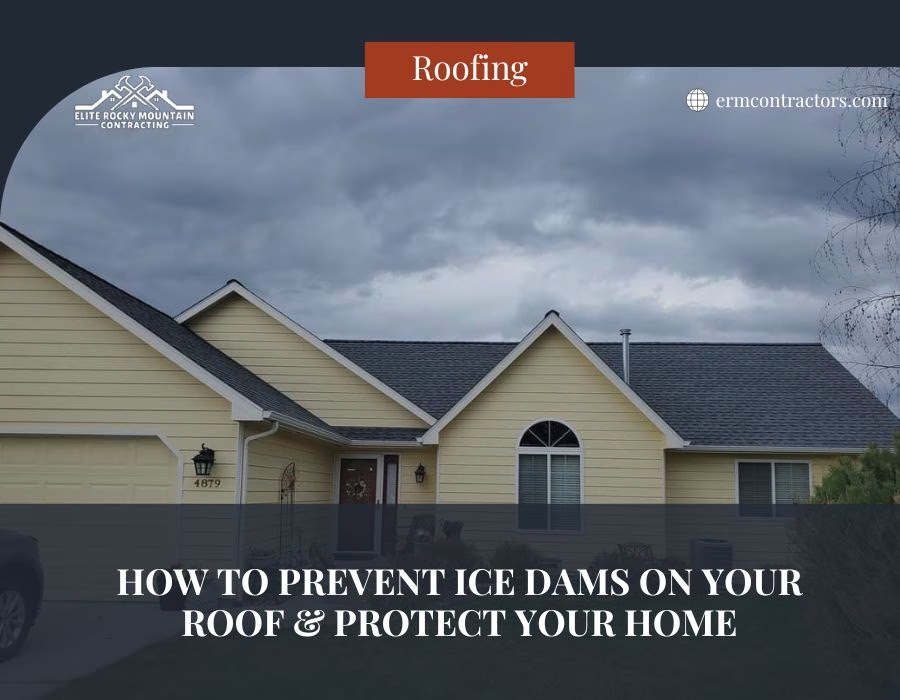
Winter brings beautiful snow-covered landscapes, but it also introduces hidden threats to your home, particularly when it comes to roofing. One of the most damaging issues homeowners face during winter is ice dams. Ice dams form when snow on your roof melts due to heat escaping from the home and refreezes at the roof edges. If not addressed, ice dams can cause water leakage, structural damage, mold growth, and expensive repairs.
Understanding how to prevent ice dams roof problems is crucial for protecting your home, preserving property value, and avoiding costly maintenance. In this guide, we will explain why ice dams form, signs to watch for, and seven expert strategies to prevent ice dams on your roof effectively.
What Are Ice Dams and Why Do They Form?
An ice dam is a ridge of ice that forms along the eaves, valleys, or edges of a roof. They occur when snow melts unevenly on a roof because of heat escaping from the home. The water runs down to colder roof edges and refreezes, forming a dam. Water trapped behind the ice dam can seep into your home through shingles, causing damage to walls, ceilings, and insulation.
Key Causes of Ice Dams
- Poor attic insulation: Allows heat to escape into the attic, melting snow on the roof.
- Inadequate ventilation: Poor airflow traps warm air, creating uneven snow melt.
- Heavy snowfall: Thick snow layers increase the risk of ice dam formation.
- Temperature fluctuations: Freeze-thaw cycles worsen ice buildup.
- Roof design and slope: Low-slope or complex rooflines create ice accumulation areas.
By addressing these causes, homeowners can reduce the risk of ice dams and protect their homes year-round.
7 Expert Tips to Prevent Ice Dams on Your Roof
1. Improve Attic Insulation
Proper insulation is the most effective way to prevent ice dams roof problems. Insulation prevents warm air from escaping into the attic and keeps the roof cold, reducing snow melt.
Best Practices:
- Use high R-value insulation appropriate for your region, ideally R-49 for northern climates.
- Seal gaps around vents, chimneys, and pipes to prevent heat leakage.
- Maintain insulation integrity by checking for compressed or displaced materials.
Proper insulation ensures your roof stays cold, which is the key to preventing ice dams roof issues.
2. Enhance Roof Ventilation
Ventilation works hand-in-hand with insulation to keep attic and roof temperatures consistent. Proper airflow reduces heat pockets that accelerate snow melting, which in turn helps prevent ice dams roof formation.
Ventilation Strategies:
- Install ridge vents at the roof peak.
- Use soffit vents to bring in cold air at the eaves.
- Consider attic fans for additional airflow in poorly ventilated spaces.
Combining insulation with ventilation is a proven way to keep your roof ice-free and prevent ice dams roof problems effectively.
3. Install Ice and Water Shield Underlayment
Ice and water shields are waterproof membranes applied under shingles along vulnerable areas such as eaves and valleys. They are essential for homeowners looking to prevent ice dams roof leaks.
Benefits:
- Stops water infiltration if ice dams roof form.
- Protects shingles and roof decking.
- Enhances overall roof longevity.
Ice and water shields are recommended by roofing experts in snowy regions as a key line of defense against ice dams roof formation.
4. Use Heated Cables or Roof De-Icers
For homes prone to recurring ice dams, heated cables or roof de-icers can help prevent ice dams roof by keeping roof edges warm and melting ice before it builds up.
Installation Tips:
- Install cables along roof edges and valleys in a zigzag pattern.
- Hire professionals to avoid damage or safety hazards.
- Use energy-efficient models for cost-effective operation.
Heated cables are especially useful for steep roofs or homes that consistently experience ice dams roof issues.
5. Keep Gutters Clean and Free of Debris
Clogged gutters trap melting snow and water, worsening ice dam formation. Maintaining clean gutters helps prevent ice dams roof by ensuring proper water flow off the roof.
Gutter Maintenance Tips:
- Clean gutters regularly, especially before winter.
- Install gutter guards to minimize debris accumulation.
- Ensure downspouts direct water away from the home.
Well-maintained gutters are a simple yet essential step in preventing ice dams roof problems.
6. Remove Snow Safely from Your Roof
Heavy snow increases the risk of ice dams roof. Removing snow reduces this risk, but safety is critical.
Safe Snow Removal:
- Use a long-handled roof rake while standing on the ground.
- Remove snow in layers instead of all at once.
- Avoid walking on icy or steep roofs to prevent accidents and shingle damage.
Regular snow removal helps reduce ice dams roof formation and protects both your roof and home interior.
7. Inspect and Maintain Your Roof Regularly
Routine inspections help catch potential ice dam hazards early. Checking your roof and attic before winter ensures your home is prepared.
Inspection Checklist:
- Look for moisture or leaks in the attic.
- Examine shingles, flashing, and vents for damage.
- Schedule professional inspections annually for expert assessment.
Consistent maintenance helps homeowners prevent ice dams roof problems before they become severe and costly.
Additional Ice Dam Prevention Measures
Some extra steps can further enhance your efforts to prevent ice dams roof:
- Roof Design: Steep roofs allow snow to slide off naturally, reducing ice dam formation.
- Minimize Overhangs: Shorter overhangs reduce ice accumulation along eaves.
- Professional Evaluation: Roof contractors can assess ice dam risks and recommend tailored solutions.
These measures, combined with the seven expert tips above, provide comprehensive ice dam prevention.
When to Call a Professional
Even with preventive strategies, some homes are more vulnerable to ice dams roof problems. Signs you need professional help include:
- Recurring ice dams despite preventive measures
- Water stains on ceilings or walls
- Mold or mildew growth in the attic
- Shingle or flashing damage
Professional contractors can offer advanced solutions like upgraded insulation, improved ventilation, and installation of ice and water shields to effectively prevent ice dams roof issues.
Benefits of Preventing Ice Dams on Your Roof
Preventing ice dams roof problems has multiple advantages:
- Protects Home Structure: Prevents leaks, wood rot, and foundation damage.
- Extends Roof Lifespan: Reduces damage from ice accumulation.
- Prevents Mold Growth: Stops moisture buildup that leads to mold.
- Saves Money: Avoids expensive emergency repairs.
- Improves Energy Efficiency: Proper insulation and ventilation lower heating costs.
The combination of these benefits makes preventing ice dams roof problems one of the most important winter maintenance tasks for homeowners.
Conclusion
Ice dams are a serious threat to homes in northern climates, but they are preventable. By implementing these seven expert strategies—improving insulation, enhancing ventilation, installing ice and water shields, using heated cables, maintaining gutters, safely removing snow, and inspecting your roof regularly—you can prevent ice dams roof problems and protect your home from costly winter damage.
Homeowners who take proactive steps not only protect their roof but also preserve their home’s value and comfort. Winter may be inevitable, but ice dam damage doesn’t have to be. Take action now to prevent ice dams roof and safeguard your home for years to come.