
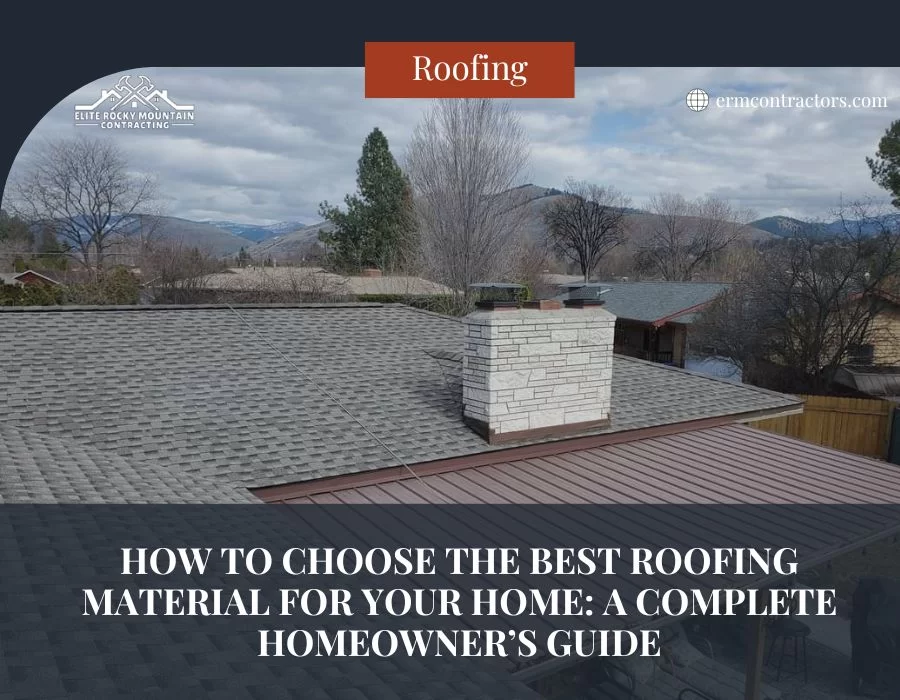
When planning a roof replacement or new construction, selecting the best roofing material for your home is critical. A roof is more than just protection—it impacts energy efficiency, durability, aesthetics, and long-term maintenance costs. From asphalt shingles to metal roofing, clay tiles, or slate, each option has unique benefits and considerations.
This comprehensive guide will walk you through the seven essential factors to consider when choosing the best roofing material for your home, plus detailed comparisons, practical tips, and expert advice.
Why Choosing the Best Roofing Material for Your Home Matters
The roof is the first line of defense for your home, shielding it from wind, rain, snow, sun, and extreme weather. Selecting the best roofing material for your home can affect:
-
Durability: Longer-lasting materials reduce the need for frequent repairs.
-
Energy efficiency: Some materials reflect sunlight and insulate your home, lowering utility bills.
-
Aesthetics and curb appeal: A well-matched roof complements your home’s style and boosts resale value.
-
Maintenance costs: Durable materials require fewer repairs and replacements over time.
Poorly chosen materials can lead to premature roof failure, water damage, and expensive repairs. Understanding your options ensures your investment protects your home for decades.
1. Consider Your Climate and Weather Conditions
Climate is one of the most important factors in choosing the best roofing material for your home. Different materials perform better depending on temperature extremes, rainfall, snow, and wind.
Hot and Sunny Climates
In hot climates, heat-reflective and ventilated roofing materials can reduce energy costs and improve comfort:
-
Clay and concrete tiles: Naturally reflect sunlight and provide airflow to cool your home.
-
Metal roofing with reflective coatings: Reduces heat absorption and increases durability.
-
Cool asphalt shingles: Special reflective coatings keep homes cooler.
Cold or Snowy Climates
Cold climates require materials that can handle snow, ice, and freeze-thaw cycles:
-
Metal roofing: Snow and ice slide off easily, preventing ice dams.
-
Asphalt shingles: Durable and cost-effective with proper underlayment.
-
Slate roofing: Extremely durable and resistant to freezing temperatures.
High-Wind Areas
Homes in hurricane-prone or windy areas need wind-resistant materials:
-
Metal roofing: Extremely durable against high winds.
-
Impact-resistant asphalt shingles: Tested for strong wind resistance.
-
Properly secured clay tiles: Heavy and stable when installed correctly.
By choosing materials suited to your local climate, you increase durability, safety, and long-term performance.
2. Budget Considerations: Balancing Cost and Longevity
Budget is a major factor when selecting the best roofing material for your home. While lower-cost options may seem attractive, long-term value often outweighs initial savings.
| Material | Cost per Sq. Ft. | Lifespan | Maintenance |
|---|---|---|---|
| Asphalt shingles | $3–$5 | 15–30 years | Low to moderate |
| Metal roofing | $7–$12 | 40–70 years | Low |
| Clay/concrete tiles | $10–$20 | 50+ years | Low |
| Slate roofing | $15–$30 | 75–100 years | Low, specialized |
Investing in high-quality materials may reduce repairs, extend your roof’s life, and increase energy efficiency. For example, metal roofing may cost more upfront but can last twice as long as asphalt shingles, reducing long-term maintenance costs.
3. Understand Lifespan and Maintenance Requirements
Knowing the expected lifespan and maintenance needs is critical when selecting the best roofing material for your home.
Asphalt Shingles
-
Lifespan: 15–30 years
-
Pros: Affordable, easy to repair, widely available
-
Cons: Shorter lifespan, may require replacement sooner in extreme climates
Metal Roofing
-
Lifespan: 40–70 years
-
Pros: Durable, fire-resistant, energy-efficient
-
Cons: Higher upfront cost, professional installation required
Clay or Concrete Tiles
-
Lifespan: 50+ years
-
Pros: Excellent heat resistance, minimal maintenance
-
Cons: Heavy, may require reinforced roof structure
Slate Roofing
-
Lifespan: 75–100 years
-
Pros: Extremely durable, fire-resistant, luxurious appearance
-
Cons: Expensive, specialized installation required
Knowing the expected lifespan and maintenance needs is critical when selecting the best roofing material for your home. Maintenance frequency, ease of repair, and durability should be weighed alongside cost when selecting a roof to ensure long-term protection and value.
4. Energy Efficiency and Environmental Impact
The best roofing material for your home can lower energy costs and reduce environmental impact. Energy-efficient roofs reflect sunlight and provide insulation.
-
Metal roofing: Reflects heat and reduces cooling costs.
-
Clay/concrete tiles: Natural insulation and heat reflection.
-
Cool asphalt shingles: Minimize heat absorption.
-
Slate roofing: Dense material provides natural insulation.
Energy-efficient roofing may qualify for local rebates, tax incentives, or certifications, adding value to your home.
5. Style and Aesthetic Considerations
The roof is a major architectural feature. Selecting the best roofing material for your home should complement your home’s style and enhance curb appeal.
-
Asphalt shingles: Versatile, works for most home styles
-
Metal roofing: Sleek and modern, ideal for contemporary designs
-
Clay/concrete tiles: Mediterranean or Southwestern homes
-
Slate roofing: Premium, historic, or traditional designs
A roof that fits your home’s style not only looks better but can increase resale value.
6. Check Local Building Codes and HOA Guidelines
Before finalizing a roofing material, verify local building codes and Homeowners Association (HOA) regulations. Certain rules may dictate:
-
Acceptable roofing materials
-
Roof colors and styles
-
Installation standards
Following these rules avoids fines and costly rework.
7. Hire a Qualified Roofing Contractor
Even the best roofing material for your home will fail if not installed properly. A qualified contractor ensures:
-
Installation per manufacturer guidelines
-
Compliance with local codes
-
Warranty coverage for materials and labor
-
Efficient and safe project execution
Always check licensing, insurance, and references before hiring a roofing professional.
Detailed Comparison of Popular Roofing Materials
Asphalt Shingles
-
Affordable and widely available
-
Lifespan: 15–30 years
-
Moderate maintenance required
-
Available in various colors and textures
-
Suitable for most climates
Metal Roofing
-
Lifespan: 40–70 years
-
Extremely durable and fire-resistant
-
Reflective, energy-efficient, low maintenance
-
Ideal for snow, hail, and high-wind areas
-
Higher upfront cost but long-term savings
Clay & Concrete Tiles
-
Lifespan: 50+ years
-
Excellent for hot climates, fire-resistant
-
Heavy and may require roof reinforcement
-
Low maintenance with long-term durability
-
Adds luxury and Mediterranean aesthetic
Slate Roofing
-
Lifespan: 75–100 years
-
Extremely durable, fire-resistant, premium look
-
Requires specialized installation and structural support
-
High upfront cost but unmatched longevity
-
Enhances property value and curb appeal
Practical Tips for Homeowners
-
Schedule regular inspections to catch early signs of damage
-
Ask about manufacturer and labor warranties
-
Compare upfront cost versus long-term durability
-
Consider energy-efficient options to save on utilities
-
Match the roof to your home’s style and neighborhood aesthetic
Frequently Asked Questions
Q1: How do I know which roofing material is best for my home?
A: Consider your climate, budget, energy efficiency goals, home style, and maintenance preferences. Consulting a professional roofing contractor ensures the best choice.
Q2: How often should I replace my roof?
A: Depends on the material. Asphalt shingles: 15–30 years; metal: 40–70 years; clay tiles: 50+ years; slate: 75–100 years.
Q3: Are energy-efficient roofing materials worth the investment?
A: Yes. They reduce cooling costs, increase comfort, and may qualify for rebates or incentives.
Conclusion
Choosing the best roofing material for your home is a major decision that impacts durability, aesthetics, energy efficiency, and long-term costs. Carefully evaluate your climate, budget, style preferences, and maintenance capacity, and consult a qualified contractor for professional guidance.
Whether you choose asphalt shingles, metal roofing, clay tiles, or slate, a well-selected roof provides lasting protection, improved energy efficiency, and elevated curb appeal.