
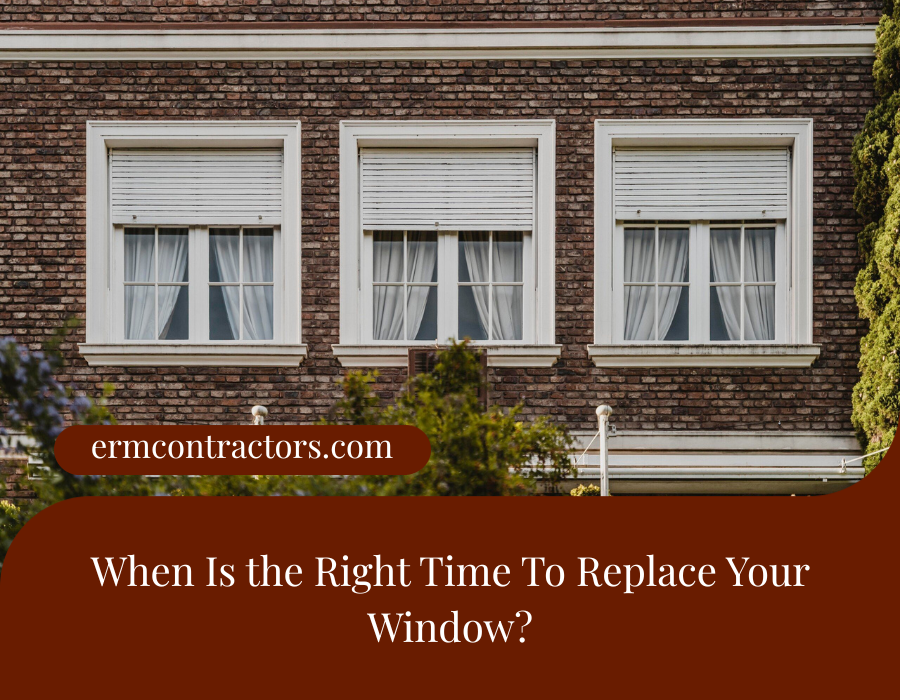
Windows are far more than just openings in your walls—they impact energy efficiency, comfort, security, and the overall value of your home. Knowing when it’s time for a home window upgrade can save money, improve daily comfort, and enhance curb appeal.
For homeowners in Ava, Missouri, and Florence, Montana, a professional home window upgrade ensures your windows function optimally, improve insulation, and provide long-term durability. In this guide, we’ll explore 7 key signs it’s time to upgrade, the benefits of energy-efficient windows, and tips for selecting the right windows for your home.
1. Drafts and Uneven Indoor Temperatures
One of the earliest indicators that a home window upgrade is needed is noticing drafts or uneven indoor temperatures.
-
Cold air in the winter or hot spots in the summer usually points to gaps, warped frames, or broken seals.
-
Older windows force your HVAC system to work harder, increasing energy bills and reducing indoor comfort.
Energy-efficient windows are designed to seal properly, helping maintain consistent indoor temperatures and reducing monthly utility costs.
Key takeaway: Drafty rooms or uneven temperatures often signal that it’s time for a home window upgrade. Acting early prevents further energy loss and discomfort.
2. Condensation or Fog Between Glass Panes
Condensation trapped inside double- or triple-pane windows indicates that the insulating seal has failed.
-
This moisture can permanently fog the glass and reduce visibility.
-
It diminishes insulation efficiency, increases the risk of mold growth, and can damage window frames.
Repairing broken seals is rarely effective. A professional home window upgrade ensures proper replacement with modern energy-efficient windows, restoring insulation and preventing long-term structural issues.
3. Rising Energy Bills Without Explanation
If your heating or cooling costs increase without a clear reason, your old windows could be responsible.
-
Single-pane or poorly insulated windows allow heat to escape during winter and enter during summer.
-
Upgrading to modern energy-efficient windows reduces energy loss, improves comfort, and can qualify you for rebates or tax incentives.
A properly executed home window upgrade often pays for itself over time through reduced utility bills.
4. Visible Damage or Deterioration
Signs such as peeling paint, rotting frames, or cracked glass indicate that your windows are nearing the end of their lifespan.
-
Damaged windows allow moisture to penetrate, potentially harming surrounding walls.
-
Structural issues may compromise security and insulation efficiency.
Replacing old windows with durable materials like vinyl, fiberglass, or composite ensures long-term performance and eliminates ongoing maintenance problems. A professional home window upgrade safeguards your investment and enhances curb appeal.
5. Difficulty Operating Windows
Windows that stick, jam, or won’t lock properly are more than inconvenient—they’re a safety hazard.
-
Warped frames, rusted tracks, or broken hardware can prevent smooth operation.
-
Minor fixes may temporarily help, but chronic problems indicate that replacement is necessary.
A professional home window upgrade guarantees smooth operation, enhanced safety, and minimal future maintenance.
6. Excessive Noise and UV Damage
Older windows often allow unwanted noise and harmful UV rays to enter your home.
-
UV exposure can fade furniture, flooring, and fabrics.
-
Noise pollution can disrupt daily activities and reduce comfort.
Modern energy-efficient windows with Low-E coatings and multi-pane insulation reduce both noise and UV exposure, enhancing comfort and protecting your interior investments.
7. Frequent Repairs and Rising Maintenance Costs
If your windows require constant caulking, reglazing, or hardware replacement, it may be more cost-effective to replace them entirely.
-
Frequent repairs are temporary solutions that fail to address underlying issues.
-
A professional home window upgrade comes with modern warranties, longer lifespan, and reduced maintenance requirements.
Upgrading ensures long-term reliability, saving both time and money while enhancing energy efficiency.
Choosing the Right Windows for Your Home
Selecting the proper windows is key to a successful home window upgrade. Consider the following:
Material Options
-
Vinyl: Cost-effective, durable, low-maintenance.
-
Fiberglass: Strong, dimensionally stable, and energy-efficient.
-
Composite: Combines the benefits of wood and fiberglass for durability and aesthetics.
Glass Options
-
Double or triple-pane glass for maximum insulation.
-
Low-E coatings to reduce heat transfer and UV damage.
-
Gas fills (argon/krypton) to improve thermal resistance.
Style & Functionality
-
Single-hung, double-hung, casement, sliding, or bay windows.
-
Consider ventilation needs, cleaning ease, and overall design.
Professional Installation
Proper installation ensures optimal performance, energy efficiency, and warranty protection. A professional home window upgrade avoids gaps, misalignment, and operational problems.
Benefits of a Home Window Upgrade
A well-executed home window upgrade provides:
-
Enhanced Energy Efficiency: Reduces heating and cooling costs with modern insulation.
-
Improved Comfort: Maintains consistent indoor temperatures and minimizes drafts.
-
Better Security: Stronger frames, locks, and reinforced glass improve home safety.
-
Curb Appeal: New windows refresh your home’s exterior and increase property value.
-
Low Maintenance: Modern materials reduce cleaning and repair needs.
By investing in a home window upgrade, homeowners enjoy immediate comfort improvements and long-term cost savings.
Common Mistakes to Avoid During Window Upgrades
Even minor mistakes can reduce the benefits of a home window upgrade:
-
Choosing the wrong window size or style for your home.
-
Failing to seal gaps properly, leading to drafts or water damage.
-
Using low-quality materials that warp, fade, or fail prematurely.
-
Installing hardware incorrectly, affecting both functionality and security.
A professional energy-efficient window installation avoids these issues, ensuring a reliable and long-lasting upgrade.
Maintenance Tips After Your Home Window Upgrade
To maximize the lifespan and performance of your windows:
-
Clean glass and frames regularly with mild soap and water.
-
Lubricate hinges, tracks, and locks at least once a year.
-
Inspect weather stripping and seals, replacing when worn.
-
Repaint or refinish wood frames periodically to prevent damage.
Proper maintenance ensures your home window upgrade continues to perform efficiently and looks great for years.
Frequently Asked Questions (FAQs)
1. How do I know it’s the right time for a home window upgrade?
Look for drafts, condensation, rising energy bills, difficulty operating windows, visible damage, noise, and frequent repairs.
2. How much does a home window upgrade cost?
Costs vary by material, size, and labor. On average, expect $300–$900 per window, depending on features and installation complexity.
3. Will energy-efficient windows really lower my bills?
Yes. High-quality windows with insulated glass, Low-E coatings, and proper installation can significantly reduce heating and cooling costs.
4. How long does a full home window upgrade take?
Single windows usually take 1–3 hours, while multiple windows or whole-house upgrades may take several days.
5. Are all window materials energy-efficient?
Vinyl, fiberglass, and composite materials offer the best balance of insulation, durability, and low maintenance.
6. Can I upgrade my windows in any season?
Yes. Professional installers can handle year-round installations, but spring and early fall often offer the most moderate weather conditions.
7. Does a home window upgrade increase home value?
Absolutely. New, energy-efficient windows improve curb appeal, security, and energy performance, boosting resale value.
Conclusion
Recognizing the signs—drafts, condensation, rising energy bills, visible damage, operational issues, noise, and frequent repairs—helps homeowners determine the best time for a home window upgrade.
Professional installation of energy-efficient windows ensures improved comfort, reduced utility costs, enhanced security, and increased home value. Acting at the right time protects your investment and provides long-lasting benefits.
A home window upgrade is not just a home improvement—it’s a smart, strategic choice to improve energy efficiency, safety, and overall comfort.