
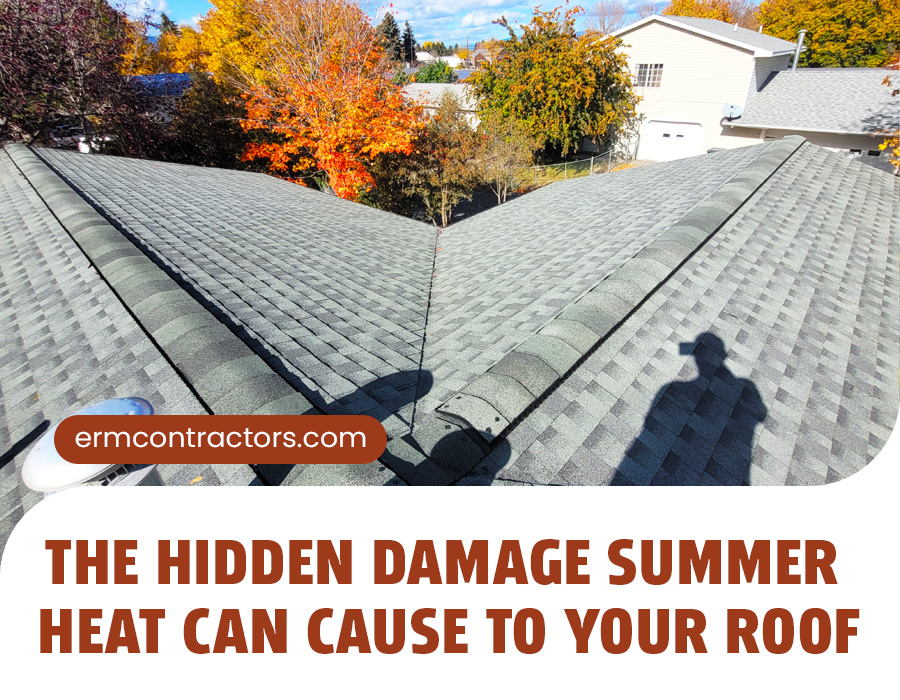
While summer in Ava, Missouri brings longer days, abundant sunshine, and ideal conditions for outdoor activities, it can also quietly cause summer roof damage. Many homeowners mistakenly assume roof problems only occur during winter storms or spring rains. The truth is that intense heat, UV exposure, and thermal cycling during summer months can be just as damaging—sometimes even more so than other seasons.
In this guide, we’ll explore the hidden damage your roof can suffer during the hottest months, the early signs of heat-related wear, and how regular inspections and timely maintenance can save homeowners thousands of dollars in repairs.
Why Summer Heat Is a Serious Threat to Your Roof
Your roof is your home’s first line of defense against the elements, but prolonged heat exposure can slowly compromise its integrity. Understanding how summer roof damage develops helps homeowners take preventative action before small problems escalate.
Key factors contributing to heat-related roof damage include:
-
UV Radiation – Even on cloudy days, UV rays penetrate and accelerate material deterioration, weakening shingles and other roofing components.
-
High Temperatures – Asphalt shingles and other roofing materials expand in the heat, which can lead to warping, cracking, or even detachment.
-
Thermal Shock – Rapid cooling after a hot day causes materials to contract quickly, increasing the likelihood of cracks and splits.
-
Humidity and Heat Combined – Moisture trapped under roofing layers can accelerate mold, mildew, and rot, further compromising your roof.
Signs of Heat Damage on Your Roof
Many homeowners overlook roof issues because they are not visible from the ground. However, subtle signs can indicate that summer roof damage is occurring. Here are seven key indicators to watch for:
-
Shingle Curling – Shingles absorb heat and may dry out, causing edges to curl. Curled shingles no longer protect your roof effectively, making it more susceptible to leaks.
-
Cracked or Brittle Shingles – UV exposure breaks down protective oils in asphalt shingles, causing brittleness and cracks. Excess granules in gutters or visible cracks signal it’s time for maintenance.
-
Blistering – High heat can trap air or moisture beneath shingles, creating blisters or bubbles that weaken the roof surface.
-
Faded Color – While not a structural issue, fading indicates the protective layer is deteriorating from UV exposure.
-
Warped or Loose Flashing – Heat can distort metal flashing around vents and chimneys, allowing water to seep in.
-
Roof Deck Buckling – Extreme temperatures may warp underlying decking, creating uneven surfaces that compromise shingles.
-
Excessive Granules – Losing granules in gutters or downspouts is an early sign that shingles are deteriorating due to heat.
The High Cost of Ignoring Summer Roof Damage
Ignoring summer roof damage can lead to serious consequences:
-
Interior water damage from unseen leaks
-
Saturated insulation, reducing energy efficiency
-
Mold and mildew growth in attics or crawl spaces
-
Structural deterioration leading to expensive repairs or replacements
Even minor issues, if left unaddressed, can require a full roof replacement in the future. Proactive maintenance during summer is far more cost-effective than emergency repairs.
7 Smart Ways to Prevent Summer Roof Damage
The good news is that summer provides the perfect opportunity to prevent heat-related roof problems. Homeowners in Ava, Missouri, and Florence, Montana can implement these proactive strategies:
-
Schedule a Professional Roof Inspection – Experienced contractors can identify early signs of UV damage, shingle wear, or other vulnerabilities before they become emergencies.
-
Invest in Reflective or UV-Resistant Materials – Upgrading to reflective shingles or coatings reduces the heat absorbed by your roof, prolonging its lifespan.
-
Ensure Proper Attic Ventilation – Proper airflow regulates temperatures and prevents moisture buildup that can cause mold, mildew, or rot.
-
Clean Debris from Roof and Gutters – Leaves, branches, and dirt trap heat and moisture. Regular cleaning prevents accelerated wear on roofing materials.
-
Trim Overhanging Branches – Limbs rubbing against shingles can accelerate deterioration, while falling leaves create areas of trapped moisture.
-
Address Minor Repairs Promptly – Fixing small cracks, loose shingles, or flashing issues early prevents larger, more costly problems.
-
Monitor Roof Condition Throughout Summer – Regular visual checks for curling shingles, fading, or blisters help homeowners spot a roof leak or damage early.
Why Summer Is the Best Time for Roof Work
Summer’s dry weather and longer daylight hours make it the most efficient time for roofing work. Contractors have more availability, installation and curing times are faster, and inspections can be performed accurately. By acting during summer, homeowners can avoid rainy delays, reduce project time, and ensure their roof is ready for the next season.
FAQs About Summer Roof Damage
Q1: Why is summer heat so damaging to roofs?
High temperatures, UV radiation, and thermal cycling can degrade roofing materials, cause shingles to crack or curl, and increase the risk of leaks.
Q2: How can I tell if my roof is suffering from summer damage in Ava, Missouri?
Look for curled or brittle shingles, blisters, faded color, excessive granules in gutters, warped flashing, or signs of water intrusion in the attic.
Q3: Can summer roof damage lead to leaks?
Yes. Heat-weakened shingles, warped flashing, or blisters can create openings, allowing water to penetrate during summer storms or later in the year.
Q4: How often should I inspect my roof in Florence, Montana?
Homeowners should schedule professional inspections at least twice a year, ideally in spring and summer, and after any severe weather.
Q5: Can reflective or UV-resistant roofing materials prevent summer roof damage?
Yes. Reflective shingles or coatings reduce heat absorption, slow material deterioration, and prolong the lifespan of your roof.
Conclusion: Protect Your Roof Before Damage Escalates
Summer heat may seem harmless, but it quietly accelerates roof wear and can lead to costly repairs if ignored. By learning to spot a roof leak and other early signs of summer roof damage, homeowners in Ava, Missouri, and Florence, Montana can take proactive steps to protect their investment.
Regular inspections, proper ventilation, timely repairs, and UV-resistant materials all contribute to a longer-lasting roof and a safer, more energy-efficient home. Don’t wait until leaks appear—act now to safeguard your property.
Contact ERM Contractors today to schedule a summer roof inspection and protect your home from heat-related damage.