
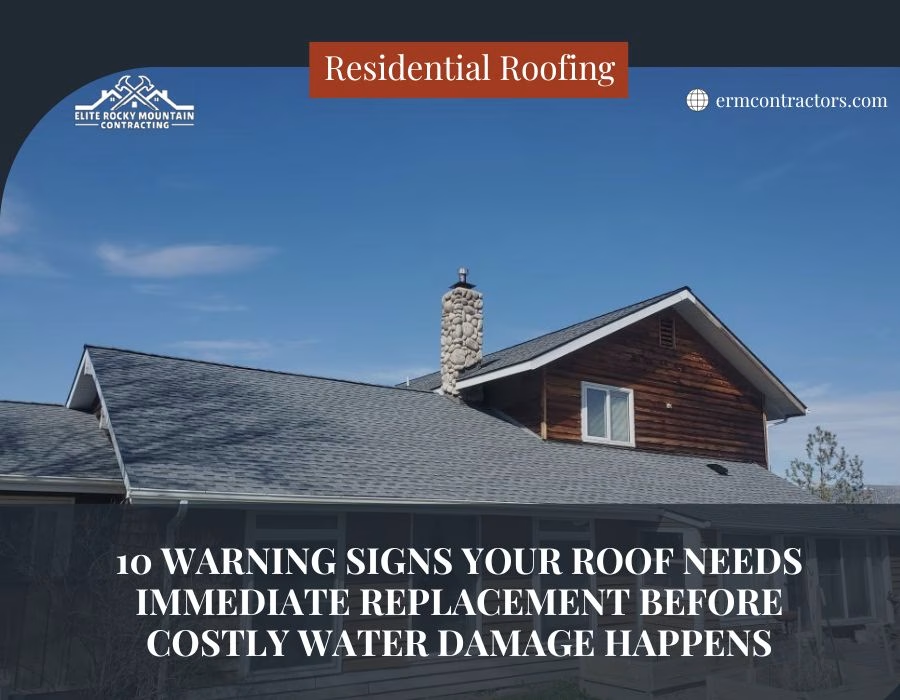
Severe roof issues rarely happen overnight. In most cases, a roof slowly deteriorates over time until visible damage finally appears inside the home. By the time water stains or leaks show up on ceilings, the problem has already progressed significantly. Understanding early roof replacement signs is the key to avoiding expensive structural repairs and emergency restoration costs.
Homeowners in regions with harsh weather conditions such as heavy rain, wind, hail, and seasonal temperature changes are especially at risk. Roofing systems naturally weaken under repeated exposure to these elements, and small issues often escalate into major failures if ignored.
This guide breaks down the most important roof replacement signs every homeowner should recognize before serious water damage occurs.
Why Early Roof Replacement Matters
Delaying roof replacement can lead to major structural damage that goes far beyond the roof itself. Once water enters the roofing system, it does not stay isolated. It spreads into insulation, drywall, framing, electrical systems, and in severe cases can even affect the foundation of the home.
One of the biggest mistakes homeowners make is waiting until visible interior damage appears. At that point, the roofing system has already been compromised for a long time. Moisture infiltration is slow but persistent, meaning the damage often spreads silently behind walls and ceilings.
Recognizing roof replacement signs early allows homeowners to take control before minor issues become full-scale structural failures. Acting early is almost always more affordable than waiting for emergency repairs or interior restoration work.
A proactive approach not only saves money but also extends the lifespan of the entire home structure.
1. Shingles Are Curling, Cracking, or Missing
One of the clearest roof replacement signs is visible shingle deterioration. Shingles are the first line of defense against rain, wind, and UV exposure, but over time they naturally degrade.
Curling edges often indicate aging and heat exposure. Cracks suggest that the material has become brittle and can no longer flex under pressure. Missing shingles expose the underlayment directly to the elements, which significantly increases the risk of leaks.
When these issues are isolated, repairs may be enough. However, when they appear across multiple sections of the roof, it becomes a strong indicator that the system is reaching the end of its lifespan.
Widespread shingle failure is one of the most reliable roof replacement signs that a full replacement is necessary rather than temporary patchwork fixes.
2. Frequent Roof Leaks After Rainfall
Recurring leaks are another major warning indicator. If water intrusion happens after every storm or heavy rainfall, it is a sign that the roofing system is no longer performing its protective function.
Occasional leaks may originate from isolated damage points. However, frequent leaks usually mean there are multiple weak areas across the roof surface.
Water can travel long distances under shingles before appearing inside the home, meaning the visible leak is often not directly above the actual damage point. This makes diagnosis more complex and is one reason leaks are considered serious roof replacement signs.
When leaks become repetitive, it often signals systemic failure that cannot be resolved with minor repairs alone.
3. Sagging Roof Structure
A sagging roof is one of the most serious structural roof replacement signs a homeowner can observe. Unlike surface-level damage, sagging indicates issues within the roof deck or underlying support structure.
This condition often develops due to long-term moisture exposure, excessive weight from water retention, or structural weakening of wooden components.
In some cases, sagging can indicate a potential collapse risk if left unaddressed. This makes it one of the most urgent warning signs requiring immediate professional attention.
A roof that is no longer structurally level should always be inspected right away, as it typically requires full replacement rather than repair.
4. Granules in Gutters
As asphalt shingles age, they begin to lose their protective granules. These small particles are essential for shielding the roof from UV rays and weather exposure.
Finding granules in gutters is a strong indication that the shingles are breaking down. While some granule loss is normal over time, excessive accumulation is one of the most overlooked roof replacement signs.
Once granule loss becomes widespread, shingles lose their ability to protect the home effectively. This accelerates aging and increases vulnerability to leaks and heat damage.
5. Daylight Visible Through Roof Boards
If you can see sunlight coming through your attic or roof boards, this is a critical warning sign. It indicates there are gaps, holes, or severe deterioration in the roofing structure.
This type of damage allows water, air, and pests to enter the home freely. It also suggests that multiple layers of the roofing system have already failed.
This is not a minor issue and is one of the strongest roof replacement signs that the system has reached failure stage.
6. Mold, Moss, or Algae Growth
While some surface discoloration may seem cosmetic, widespread moss or mold growth is a warning sign of trapped moisture.
Roofing materials should shed water efficiently. When moisture begins to accumulate and stay on the surface, it indicates poor drainage or material breakdown.
Over time, moss can lift shingles, allowing additional water intrusion underneath. Mold growth may also suggest long-term hidden moisture problems.
These conditions are often overlooked but are important roof replacement signs that indicate deeper issues beneath the surface.
7. Rising Energy Bills
Unexpected increases in energy bills can also be linked to roofing issues. A failing roof often leads to poor insulation performance and uncontrolled air leakage.
When warm or cool air escapes through the roof structure, HVAC systems must work harder to maintain indoor temperatures.
While this is an indirect indicator, it is still considered one of the subtle roof replacement signs that homeowners should not ignore.
8. Damaged Flashing Around Chimneys and Vents
Flashing is designed to seal vulnerable areas such as chimneys, skylights, and vent pipes. When flashing deteriorates or separates, it creates direct pathways for water entry.
Because flashing issues are often hidden or difficult to see from the ground, they are frequently missed during early inspections.
However, once flashing failure begins, water intrusion becomes highly likely. This makes it one of the important roof replacement signs that often leads to interior leaks.
9. Roof Age Over 20 Years
Age alone is a significant factor in determining roof condition. Most asphalt shingle roofs last between 15 to 25 years depending on maintenance and weather exposure.
If a roof is approaching or exceeding this range, it is already considered to be in its final lifecycle stage.
Even if visible damage is minimal, aging materials lose their protective strength over time. This makes roof age one of the most reliable roof replacement signs.
10. Interior Water Stains or Ceiling Damage
Water stains on ceilings or walls are late-stage warning indicators. At this point, water has already penetrated multiple layers of the roofing system and reached interior spaces.
This type of damage often means the roof has been failing for some time before symptoms became visible.
Interior staining is one of the clearest roof replacement signs that immediate action is required to prevent further structural damage.
Why Ignoring Roof Replacement Signs Is Risky
Ignoring early warning signs can lead to severe consequences, including:
- Structural wood rot
- Mold contamination inside walls
- Electrical system hazards
- Insulation failure
- Interior ceiling collapse
- Costly emergency restoration work
What begins as minor roof deterioration can quickly escalate into a full home repair project if left unresolved.
When to Call a Roofing Contractor
If you notice multiple roof replacement signs, it is important to schedule a professional inspection immediately.
A qualified roofing contractor can determine whether repairs are sufficient or if full replacement is the safest and most cost-effective solution.
Early intervention prevents further damage and helps homeowners avoid emergency repair situations.
Frequently Asked Questions About Roof Replacement Signs
How do I know if my roof needs to be replaced?
Common roof replacement signs include curling or missing shingles, frequent leaks, sagging, granule loss, visible daylight through the roof boards, and a roof that is over 20 years old. If you notice several of these signs, it’s a good idea to have your roof professionally inspected.
How often should a roof be replaced?
Most asphalt shingle roofs typically last around 15 to 25 years, depending on the materials used, weather conditions, maintenance, and installation quality. If your roof is approaching or exceeding 20 years, it may be time to consider a replacement.
Is it better to repair or replace a roof?
It depends on the condition and age of the roof. Small, isolated problems may only require repairs, while widespread shingle damage, recurring leaks, sagging, or an aging roof may indicate that replacement is the better long-term option.
Can a leaking roof be repaired instead of replaced?
Yes, a small or isolated leak can sometimes be repaired. However, if leaks keep coming back or there are multiple damaged areas, it may indicate a larger roofing problem that requires a full replacement.
Are missing or curling shingles a sign that I need a new roof?
They can be. A few damaged shingles may be repairable, but widespread curling, cracking, or missing shingles can indicate that the roof is reaching the end of its lifespan.
What happens if I delay roof replacement?
Delaying roof replacement can allow water to spread into insulation, drywall, framing, and other parts of the home. Over time, this can lead to structural damage, mold, and more expensive repairs.
Should I replace my roof if there are no leaks?
Not necessarily. However, if the roof is already old or showing other signs of deterioration, such as granule loss, curling shingles, or damaged flashing, a professional inspection can help determine its remaining lifespan.
When should I call a roofing contractor?
You should contact a roofing contractor if you notice recurring leaks, sagging, widespread shingle damage, interior water stains, or other signs that your roofing system may be failing. Early inspection can help prevent more serious and costly damage.
Final Thoughts
Understanding roof replacement signs is essential for protecting your home from long-term damage. Roofing systems naturally degrade over time, but early detection allows homeowners to take control before serious structural issues develop.
If several warning signs are present, replacement is often more cost-effective than repeated repairs that only delay the inevitable.
A proactive approach ensures your home stays protected, efficient, and structurally sound for years to come.