

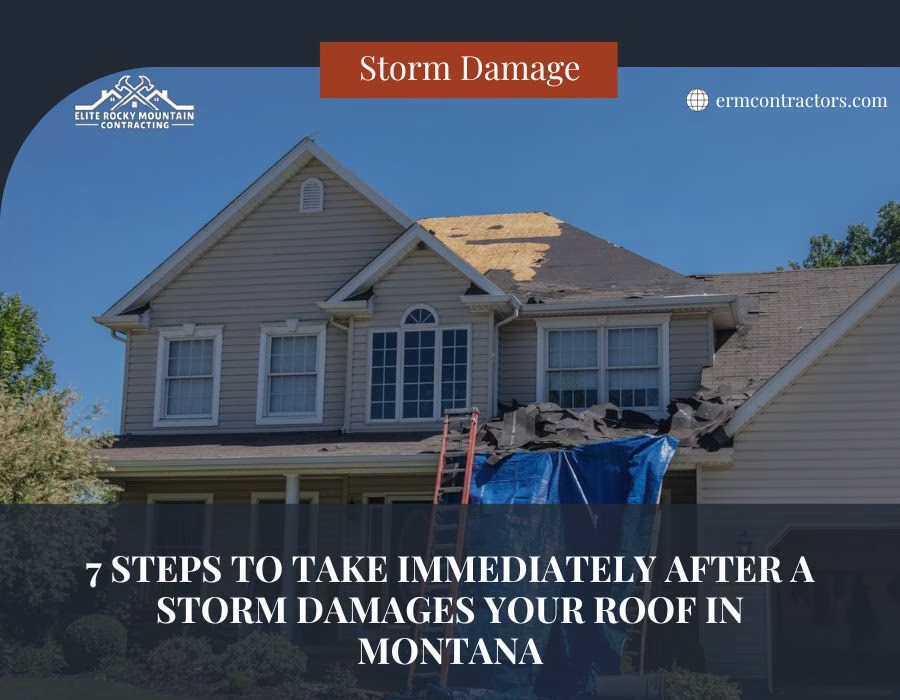
A storm damaged roof can leave your home vulnerable to water intrusion, structural damage, and costly repairs if immediate action isn’t taken. Montana homeowners are no strangers to unpredictable weather, from powerful windstorms and damaging hail to heavy snowfall and torrential rain. While these weather events can happen at any time of the year, knowing what to do immediately after a storm can make all the difference in protecting your home and reducing repair costs.
When a storm passes, it’s natural to feel overwhelmed or uncertain about what comes next. However, acting quickly and following the right steps can help prevent further damage, support your insurance claim, and ensure your roof is repaired safely and professionally.
Here are seven essential steps every Montana homeowner should take after discovering a storm damaged roof.
1. Put Safety First Before Inspecting Your Storm Damaged Roof
Your safety should always come before inspecting property damage. Even if you’re eager to assess your roof, storm conditions can leave behind hidden hazards that aren’t immediately visible.
Avoid climbing onto your roof after a storm. Wet roofing materials, loose shingles, damaged metal panels, fallen tree limbs, and weakened structural components can create dangerous conditions.
Instead, inspect your property from the ground and look for visible signs of roof damage, including:
- Missing roofing materials
- Bent or lifted metal panels
- Fallen branches on the roof
- Damaged gutters
- Loose flashing
- Debris around your property
If power lines are down or you suspect structural damage, keep a safe distance and contact the appropriate utility company or emergency services before inspecting your home further.
Taking a cautious approach protects both you and your family while preserving important evidence of the storm damaged roof.
2. Document Every Sign of Roof Damage
Thorough documentation is one of the most important steps after discovering a storm damaged roof. Clear photographs and videos provide valuable evidence for both roofing contractors and your insurance company.
Walk around your home and document all visible damage from multiple angles.
Capture images of:
- Roof damage
- Missing or damaged flashing
- Hail dents
- Wind-lifted roofing materials
- Fallen trees or branches
- Damaged gutters and downspouts
- Broken siding
- Damaged windows
- Exterior debris
Inside your home, photograph:
- Ceiling stains
- Wet insulation
- Water dripping from ceilings
- Damaged drywall
- Moisture around windows
- Attic leaks
Record the date of the storm and keep notes about when you first noticed the damage. These records can make the insurance process smoother and help contractors understand the full extent of the damage.
3. Prevent Additional Damage if It Is Safe to Do So
A storm damaged roof can continue to deteriorate if exposed to additional rain or snow before repairs begin.
If it is safe, take temporary measures to reduce further damage until professional help arrives.
Examples include:
- Moving furniture away from leaks
- Placing buckets under dripping ceilings
- Covering belongings with plastic sheets
- Removing standing water indoors
- Ventilating damp areas to reduce moisture
Avoid attempting permanent roof repairs yourself. Walking on a damaged roof may cause additional structural problems and increase the risk of injury.
Professional roofing contractors have the equipment and training needed to safely perform emergency roof stabilization.
4. Schedule a Professional Storm Damage Roof Inspection
Not all storm damage is obvious.
Some roofing problems remain hidden beneath roofing materials or inside attic spaces where homeowners cannot easily detect them.
A professional inspection can identify issues such as:
- Hidden moisture intrusion
- Damaged roof decking
- Loose fasteners
- Lifted flashing
- Compromised underlayment
- Structural movement
- Small hail impacts that may worsen over time
Even if your roof appears undamaged from the ground, hidden problems can develop into expensive repairs if left untreated.
Scheduling a professional inspection soon after a storm provides peace of mind and helps determine whether repairs or a complete roof replacement are necessary.
5. Contact Your Homeowners Insurance Company
If your storm damaged roof resulted from hail, wind, or other covered weather events, contact your insurance company as soon as possible.
Many homeowners policies provide coverage for sudden storm damage, but every policy is different.
When filing a claim:
- Report the damage promptly.
- Provide photographs and videos.
- Keep records of inspection reports.
- Save receipts for emergency expenses.
- Record all communication with your insurance company.
Having a professional roofing contractor inspect the damage before or during the claims process can help ensure all affected areas are properly documented.
Experienced contractors often work with homeowners throughout the insurance process by providing detailed inspection reports and repair estimates.
6. Avoid Storm Chasing Roofing Companies
Unfortunately, severe storms often attract temporary contractors who travel from community to community offering quick roofing repairs.
These companies, commonly known as storm chasers, may promise extremely low prices or immediate work without providing proper credentials.
Protect yourself by choosing a local Montana roofing contractor with an established reputation.
Before hiring any roofing company:
- Verify licensing and insurance.
- Read customer reviews.
- Ask for local references.
- Request a written estimate.
- Confirm warranty information.
- Review the scope of work carefully.
Working with an experienced local contractor provides greater accountability and ensures your roof is repaired according to Montana’s building standards.
7. Complete Permanent Repairs Before the Next Storm
Temporary repairs are only meant to protect your home until permanent repairs can be completed.
Delaying repairs on a storm damaged roof may allow water intrusion to spread into your attic, insulation, drywall, flooring, and structural framing.
Prompt repairs help prevent:
- Mold growth
- Wood rot
- Ceiling collapse
- Electrical hazards
- Interior water damage
- Reduced energy efficiency
- Higher repair costs
Depending on the extent of the storm damage, your contractor may recommend:
- Roof repairs
- Flashing replacement
- Gutter repairs
- Partial reroofing
- Complete roof replacement
Completing permanent repairs restores your home’s protection and prepares it for future Montana weather.
Common Types of Storm Damage Montana Homeowners Experience
Montana’s climate exposes homes to a variety of severe weather conditions throughout the year.
Some of the most common causes of a storm damaged roof include:
Wind Damage
Strong winds can loosen roofing materials, lift flashing, remove shingles, and damage ridge caps.
Hail Damage
Hail can dent metal roofing, crack shingles, damage flashing, and shorten the lifespan of roofing materials.
Heavy Rain
Persistent rainfall can expose hidden weaknesses in aging roofs, leading to leaks and interior water damage.
Snow and Ice
Heavy snow accumulation places additional weight on roofing systems, while ice dams may prevent proper drainage and force water beneath roofing materials.
Falling Tree Limbs
Strong winds often cause tree branches to strike roofs, creating punctures, dents, and structural damage.
Understanding these risks helps homeowners recognize when professional inspections are necessary after severe weather.
Why Immediate Action Matters
Many homeowners underestimate the seriousness of storm-related roof damage because leaks do not always appear immediately.
Water may travel beneath roofing materials before becoming visible inside the home.
By responding quickly to a storm damaged roof, homeowners can:
- Prevent additional structural damage
- Reduce repair costs
- Protect personal belongings
- Strengthen insurance documentation
- Preserve the lifespan of the roofing system
- Improve long-term home value
The sooner damage is identified and repaired, the less likely it is to become a larger and more expensive problem.
Trust Elite Rocky Mountain Contracting for Storm Damaged Roof Services
Storm damage can happen without warning, but having the right roofing contractor by your side makes the recovery process much easier. Whether your roof has suffered damage from hail, high winds, heavy rain, or falling debris, prompt action is the key to protecting your home from further complications.
At Elite Rocky Mountain Contracting, we proudly help homeowners throughout Missoula and surrounding Montana communities with professional inspections, reliable roof repairs, complete roof replacements, and assistance throughout the insurance claims process. Our experienced team understands the unique challenges Montana weather creates and provides durable roofing solutions designed to withstand every season.
If you believe you have a storm damaged roof, don’t wait for minor damage to become a major repair. Schedule a professional inspection as soon as possible so your home can receive the protection it deserves. Taking immediate action today can help preserve your home’s safety, value, and long-term performance for years to come.