
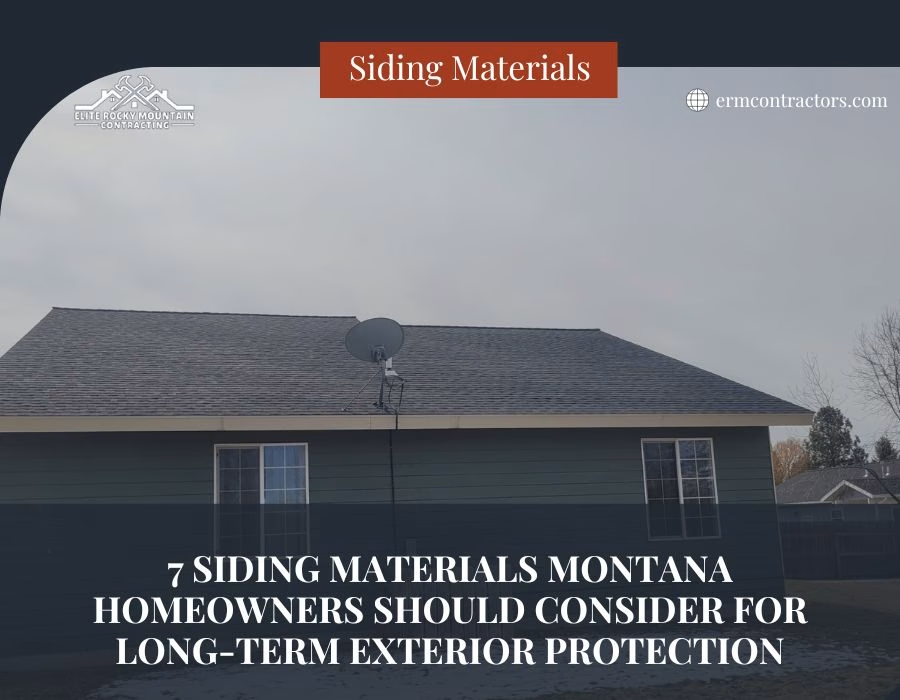
Choosing the right siding materials Montana homeowners can rely on is about more than improving curb appeal. Siding forms a major part of your home’s exterior protection, helping shield walls from moisture, wind, temperature changes, sunlight, and everyday wear. The right material can also influence maintenance requirements, energy efficiency, appearance, and how long your exterior continues to perform.
Montana homeowners have to think carefully about these factors. A home’s siding may experience freezing temperatures, snow, moisture, strong winds, summer heat, and repeated seasonal changes. Because different materials respond differently to these conditions, there is no single siding option that is perfect for every property.
Before choosing new siding, it is important to understand how each material performs, what maintenance it requires, and how well it fits your home’s design and location.
Here are seven siding materials Montana homeowners should consider when planning a long-term exterior improvement.
Why Choosing the Right Siding Materials Montana Homes Need Matters
Siding is one of the most visible components of a house, but its purpose goes far beyond appearance.
A properly selected and professionally installed exterior can help protect the underlying structure from weather exposure while contributing to the overall appearance and value of the property. Poorly suited siding, improper installation, or neglected maintenance can create opportunities for moisture intrusion, cracking, warping, deterioration, and premature replacement.
When comparing siding materials Montana homeowners should consider, look beyond the initial purchase price.
Think about:
- Resistance to moisture
- Performance during temperature changes
- Resistance to wind and impact
- Maintenance requirements
- Expected service life
- Appearance
- Installation requirements
- Repairability
- Overall long-term value
A material that costs less initially may require more maintenance later, while a higher-quality option may provide better long-term performance.
1. Fiber Cement Siding
Fiber cement is one of the most versatile choices for homeowners who want a durable exterior with a traditional or modern appearance.
This material is manufactured using cementitious components and reinforcing fibers, creating a rigid product designed to resist many common exterior problems. Fiber cement can also be manufactured with textures and profiles that resemble painted wood.
One of its biggest advantages is versatility. Homeowners can achieve a classic wood-style appearance while choosing a material that generally requires less maintenance than traditional wood siding.
Fiber cement can be a strong option for Montana homes because durability is an important consideration when an exterior must handle changing weather conditions throughout the year.
Benefits of Fiber Cement
Fiber cement siding can provide:
- Strong resistance to weather exposure
- Resistance to rot and insect damage
- A wide range of colors and textures
- A traditional wood-like appearance
- Long-term exterior durability
- Low-maintenance characteristics compared with natural wood
However, fiber cement is heavier than some other materials and requires proper handling and installation. Cutting, fastening, flashing, and clearance details all need to be handled correctly.
For homeowners prioritizing durability and a premium appearance, fiber cement deserves serious consideration.
2. Vinyl Siding
Vinyl remains one of the most widely recognized siding materials because of its affordability, variety, and relatively low maintenance requirements.
Modern vinyl siding is available in numerous colors, profiles, textures, and finishes. Some products are designed to resemble natural wood while requiring less ongoing maintenance.
Vinyl is also resistant to problems such as rot and insect damage. Routine cleaning and periodic inspections can help maintain its appearance and performance.
Advantages of Vinyl Siding
Homeowners may choose vinyl because it offers:
- Relatively low maintenance
- Resistance to moisture and rot
- Numerous style and color choices
- Lightweight panels
- Straightforward cleaning
- Competitive installation costs compared with premium materials
However, homeowners should consider the quality of the product and installation. Vinyl can become damaged by significant impacts, and extreme temperature exposure can affect certain products if they are improperly installed or selected.
The right product, proper fastening, and appropriate installation techniques are important for achieving reliable long-term performance.
3. Engineered Wood Siding
Engineered wood siding provides an interesting middle ground between traditional wood and manufactured siding products.
It is designed using processed wood fibers and engineered components to create panels or boards with a consistent appearance. The result can provide the warm appearance of wood while offering improved resistance to some of the problems associated with untreated natural wood.
For homeowners who want a natural-looking exterior but are concerned about maintenance, engineered wood can be worth considering.
Why Consider Engineered Wood?
Potential benefits include:
- Natural wood appearance
- Consistent textures and profiles
- Good design flexibility
- Resistance to certain forms of deterioration
- Multiple color and finish options
- A balance between appearance and durability
Like any siding product, engineered wood still requires appropriate maintenance and installation. Keeping water away from vulnerable edges and ensuring proper flashing and clearances can help protect the material.
This option may be especially attractive for homeowners who want their property to maintain a traditional Montana aesthetic without choosing conventional wood throughout the entire exterior.
4. Metal Siding
Metal siding is another option for homeowners who place a high priority on durability and low maintenance.
Steel and aluminum siding can provide a distinctive appearance while offering resistance to moisture, insects, and many common exterior problems. Metal siding is available in different profiles, colors, and finishes, allowing it to work with both contemporary and more traditional designs.
Benefits of Metal Siding
Metal siding may offer:
- Excellent durability
- Resistance to insects
- Resistance to rot
- Low maintenance
- Fire-resistant characteristics
- Long service potential
- Modern and traditional design options
Steel siding can provide substantial strength, while aluminum is lightweight and corrosion-resistant under appropriate conditions.
There are also considerations. Metal can dent from significant impacts, and damaged finishes may require attention to prevent corrosion on certain products.
For homeowners looking for a durable exterior with minimal routine maintenance, metal siding can be an excellent candidate.
5. Traditional Wood Siding
Wood siding continues to appeal to homeowners because of its natural appearance and timeless character.
Cedar and other wood species can give a house warmth and personality that manufactured materials attempt to replicate. Wood can also be painted or stained in many different ways, making it highly adaptable to architectural styles.
However, wood requires more attention than many manufactured alternatives.
What Wood Siding Requires
Homeowners should be prepared for regular inspection and maintenance, including:
- Checking for moisture damage
- Watching for peeling paint
- Maintaining protective finishes
- Looking for signs of insects
- Inspecting joints and edges
- Repainting or restaining when necessary
Moisture management is particularly important. Water that repeatedly reaches vulnerable areas can contribute to deterioration over time.
For homeowners willing to invest in maintenance, wood can deliver a distinctive appearance that remains popular for both traditional and rustic properties.
6. Composite Siding
Composite siding is another option worth considering when homeowners want a combination of durability, design flexibility, and lower maintenance.
Composite products vary considerably by manufacturer and construction. Some are engineered to replicate the appearance of wood while providing greater resistance to moisture, insects, and everyday exterior wear.
One advantage of composite products is the variety of styles available. Depending on the product, homeowners can choose different textures, profiles, and colors.
Why Composite Siding Can Be a Good Choice
Composite siding may provide:
- Wood-inspired appearance
- Resistance to moisture-related deterioration
- Reduced maintenance compared with traditional wood
- Multiple design options
- Good durability
- Long-term exterior appeal
Because composite siding products are not all manufactured the same way, homeowners should examine the manufacturer’s specifications, warranty requirements, installation instructions, and maintenance recommendations before making a decision.
The product itself matters, but so does the installation system.
7. Stucco
Stucco is a less conventional choice for some Montana homeowners, but it remains a material worth understanding when evaluating exterior options.
Stucco creates a solid, textured exterior and can provide a distinctive architectural appearance. Its performance depends heavily on proper installation, drainage, flashing, substrate preparation, and moisture management.
In climates where moisture and temperature changes are significant, installation quality becomes especially important.
Potential Benefits of Stucco
Stucco can provide:
- A distinctive appearance
- Strong surface durability
- Fire-resistant characteristics
- Multiple texture options
- Flexible color possibilities
- Long-term performance when properly installed
The key consideration is that stucco should not simply be evaluated by the surface material itself. The complete wall system matters.
A properly designed drainage and moisture-management system can be critical to protecting the structure behind the exterior.
How to Compare Siding Materials Montana Homeowners Are Considering
With seven materials to choose from, it can be difficult to determine which one is right for a particular home.
Instead of choosing based only on appearance or price, compare each option according to several important factors.
Weather Resistance
Montana homes can experience significant seasonal changes. Look for materials and installation systems designed to handle the environmental conditions where your property is located.
Maintenance
Consider how much time you are willing to spend maintaining your siding.
Vinyl and metal generally require less routine maintenance, while traditional wood may require more frequent attention to finishes and moisture protection.
Durability
Think beyond the first few years.
A siding material should be evaluated based on how it is expected to perform over the long term and how easily individual damaged sections can be repaired or replaced.
Appearance
Your siding has a major influence on your home’s exterior appearance.
Consider the architectural style of your property, the surrounding neighborhood, roof color, trim, doors, windows, and other exterior elements.
Installation Requirements
Even high-quality siding can experience problems when it is installed incorrectly.
Flashing, fastening, seams, corners, transitions, penetrations, and clearances all matter. Proper installation helps the siding system perform as intended.
Siding Materials Montana Homeowners Should Evaluate Based on Their Priorities
There is no universal winner among siding materials.
Instead, the best choice depends on what you value most.
If low maintenance is your priority, vinyl or metal may deserve closer attention.
If durability and a premium appearance are important, fiber cement may be a strong candidate.
If you want a natural appearance, traditional wood or engineered wood may be worth considering.
If you want design flexibility and wood-like appearance with lower maintenance, composite siding may be an option.
If you prefer a distinctive textured exterior, stucco may be appropriate when the wall system is properly designed and installed.
The right decision should balance performance, maintenance, appearance, installation requirements, and long-term value.
When Should You Consider Siding Replacement?
Sometimes the material itself is not the only problem. Existing siding may simply have reached the point where repairs are no longer practical.
Signs that it may be time to evaluate replacement include:
- Extensive cracking
- Warping or buckling
- Repeated moisture damage
- Rotting sections
- Persistent discoloration
- Loose or missing panels
- Frequent repairs
- Significant fading
- Visible deterioration around windows and doors
- Damage extending across large portions of the exterior
A professional inspection can help determine whether isolated repairs are appropriate or whether replacing the siding would provide better long-term value.
Professional Installation Matters as Much as the Material
Choosing high-quality siding is only one part of a successful exterior project.
The installation process is equally important.
Professional siding installation should account for the manufacturer’s requirements, proper fastening, moisture management, flashing, transitions, ventilation considerations, and the specific characteristics of the home’s structure.
Even durable siding can develop problems when water is allowed to reach vulnerable areas or when panels are improperly fastened.
For this reason, homeowners should evaluate both the product and the contractor before beginning a siding project.
For more information about professional siding installation, homeowners can review guidance from the U.S. Department of Energy and consult the siding manufacturer’s installation specifications for the selected product.
Final Thoughts on Choosing Siding Materials Montana Homeowners Can Depend On
The right siding can do much more than change the appearance of a house. It can provide an important layer of exterior protection while influencing maintenance, durability, energy performance, and long-term property value.
The seven siding materials discussed here each offer different advantages.
Fiber cement provides durability and design flexibility. Vinyl offers affordability and low maintenance. Engineered wood combines a natural appearance with modern manufacturing. Metal delivers durability and minimal upkeep. Traditional wood provides timeless character but requires more maintenance. Composite siding offers flexibility and a wood-inspired appearance. Stucco provides a distinctive exterior when installed as a properly designed wall system.
Ultimately, the best siding materials Montana homeowners choose should match the home’s design, the property’s environmental conditions, the homeowner’s maintenance expectations, and the desired long-term performance.
Taking time to compare these factors before beginning a siding project can help you make a more informed investment and choose an exterior that protects and enhances your home for years to come.
If your existing siding is damaged, aging, or no longer providing the appearance and protection your home needs, evaluating your options with an experienced siding professional can be an important next step.