
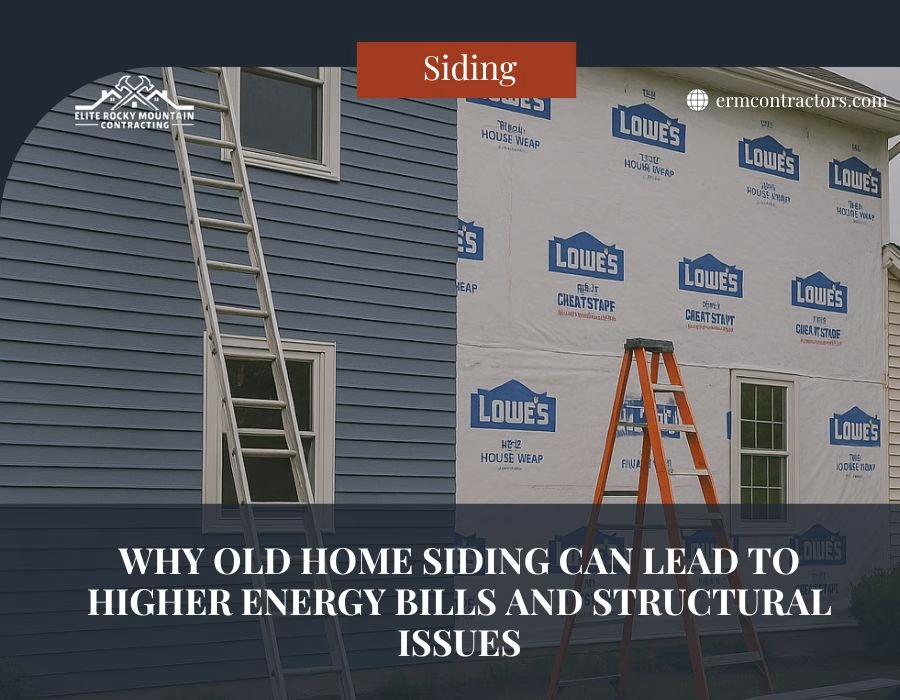
Old home siding replacement is one of the most overlooked yet important upgrades homeowners can make when trying to improve energy efficiency and protect structural integrity. Over time, siding naturally deteriorates due to weather exposure, temperature changes, moisture intrusion, and aging materials. When this happens, homes become less energy efficient and more vulnerable to long-term damage.
Understanding how old home siding replacement affects both energy performance and structural stability helps homeowners make informed decisions before small issues turn into costly repairs.
Why Siding Matters for Energy Efficiency and Home Protection
Old home siding replacement becomes necessary when exterior walls no longer provide proper insulation or protection from outdoor elements. Siding acts as a barrier between the interior of the home and external weather conditions.
When siding is in good condition, it helps regulate indoor temperature by reducing heat transfer. However, when siding becomes cracked, warped, or loose, air leaks begin to form. These leaks force heating and cooling systems to work harder, increasing monthly utility bills.
In addition to energy loss, damaged siding allows moisture to penetrate the structure. This can lead to wood rot, mold growth, and insulation damage over time.
How Old Siding Increases Energy Bills
One of the most direct impacts of old home siding replacement is reduced energy efficiency. As siding deteriorates, small gaps and cracks begin to form along exterior walls. These openings allow conditioned air to escape and outside air to enter.
During hot summers, cooled air escapes through weak siding areas, forcing air conditioning systems to run longer. During cold winters, heat escapes more easily, increasing heating costs.
Over time, these inefficiencies result in significantly higher utility bills. Even minor siding damage can have a noticeable impact on monthly energy consumption, especially in regions with extreme seasonal temperatures.
Moisture Intrusion and Hidden Structural Damage
Old home siding replacement is also critical for preventing moisture-related damage. When siding becomes worn or damaged, it loses its ability to properly repel water.
Rainwater and melting snow can seep behind siding panels and become trapped within wall structures. This trapped moisture creates ideal conditions for wood rot, mold growth, and insulation deterioration.
Structural damage often begins slowly and remains hidden for long periods. By the time visible signs appear inside the home, significant repairs may already be required.
This is why addressing siding issues early is essential for maintaining a healthy home structure.
Common Signs of Siding Failure
Homeowners should be aware of several warning signs that indicate the need for old home siding replacement.
Cracked or warped siding panels are one of the most obvious signs of deterioration. These physical defects allow air and moisture to pass through the exterior barrier.
Fading or discoloration can also indicate material breakdown caused by long-term sun exposure. While cosmetic at first, fading often signals weakening protective layers.
Soft or hollow-sounding siding may indicate underlying moisture damage. This is often a sign that water has already penetrated behind the exterior surface.
Increased energy bills without changes in usage can also signal insulation failure caused by siding issues.
How Weather Conditions Damage Siding Over Time
Old home siding replacement becomes necessary due to constant exposure to harsh weather conditions. In many regions, homes face repeated cycles of heat, cold, rain, and wind that gradually weaken siding materials.
UV radiation from the sun breaks down siding surfaces over time, causing fading and brittleness. Cold temperatures can cause materials to contract and crack, while heat causes expansion and warping.
Wind-driven rain and storms can force moisture into small openings, accelerating deterioration. Over time, these repeated stress cycles significantly reduce siding performance.
The Link Between Siding and Insulation Performance
Siding works closely with insulation systems to maintain indoor comfort. When siding is compromised, insulation behind the walls often becomes less effective.
Once insulation absorbs moisture, its thermal resistance decreases significantly. This means it becomes harder for the home to retain heat in winter or stay cool in summer.
Old home siding replacement helps restore this protective barrier, allowing insulation to function properly again and improving overall energy efficiency.
Structural Risks of Ignoring Siding Damage
Ignoring siding issues can lead to serious structural consequences. Water infiltration is one of the most damaging effects of failing siding systems.
When moisture reaches wooden framing, it can cause rot and weaken load-bearing structures. Over time, this compromises the safety and stability of the entire home.
Mold growth is another major concern. Mold spreads quickly in damp environments and can affect indoor air quality, creating potential health risks for occupants.
Delaying old home siding replacement often results in more expensive repairs than addressing the issue early.
How Siding Affects Home Value and Curb Appeal
Beyond energy efficiency and structural protection, siding also plays a major role in curb appeal. Damaged or outdated siding can make a home appear older and poorly maintained.
Old home siding replacement improves exterior appearance significantly, making the home more attractive to potential buyers. Modern siding materials also come in a variety of colors and textures that enhance architectural style.
A well-maintained exterior increases property value and strengthens overall marketability in real estate transactions.
Benefits of Modern Siding Materials
Modern siding systems offer improved durability, insulation, and weather resistance compared to older materials.
New siding is designed to withstand harsh environmental conditions while maintaining structural integrity for longer periods. Many newer materials also include improved insulation properties that help reduce energy consumption.
Old home siding replacement with modern materials can provide long-term savings through lower energy bills and reduced maintenance needs.
Preventative Maintenance for Longer Siding Lifespan
Regular maintenance can help extend siding lifespan and delay the need for replacement. Cleaning siding periodically helps prevent buildup of dirt, mold, and debris.
Routine inspections allow homeowners to identify early signs of damage before they become serious. Small repairs can often prevent larger structural issues.
Proper gutter maintenance also helps protect siding by directing water away from exterior walls.
Even with maintenance, all siding eventually reaches the end of its lifespan, making replacement necessary at some point.
When to Consider Full Replacement
There comes a point where repairs are no longer effective. When siding shows widespread cracking, warping, or moisture damage, full replacement becomes the most practical solution.
Old home siding replacement is typically recommended when repair costs begin to outweigh replacement value or when energy inefficiency becomes significant.
At this stage, upgrading to modern siding systems ensures long-term protection and improved home performance.
Final Thoughts
Old home siding replacement plays a crucial role in maintaining both energy efficiency and structural integrity. As siding ages, it loses its ability to protect against weather, regulate temperature, and prevent moisture intrusion.
Homeowners who recognize early warning signs and take proactive action can significantly reduce long-term repair costs and improve overall home comfort.
Investing in siding replacement not only protects the structure but also enhances energy savings and property value, making it one of the most important exterior home improvements available today.