
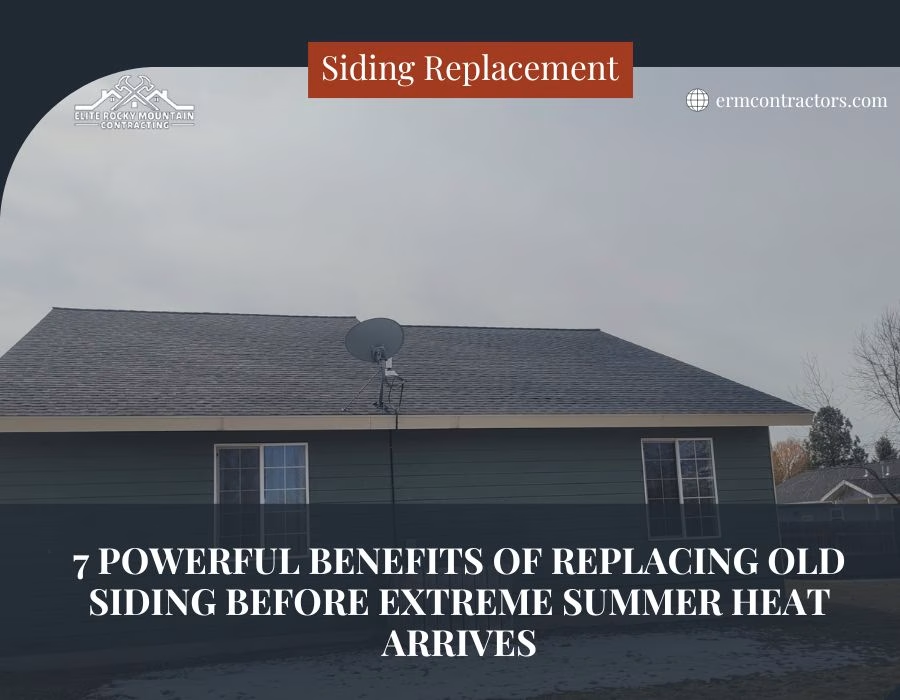
Replacing Old Siding is one of the smartest home improvement decisions homeowners can make before extreme summer temperatures arrive. Aging siding often struggles to properly protect homes from heat, humidity, storms, and UV exposure, especially during intense summer weather conditions.
Many homeowners underestimate how important siding is to the overall protection, comfort, and energy efficiency of their property. Cracked, faded, warped, or deteriorating siding can allow moisture intrusion, increase cooling costs, and weaken the home’s protection against severe weather.
Replacing Old Siding before summer begins allows homeowners to improve insulation, strengthen weather resistance, and avoid more expensive structural problems later in the season. Modern siding systems are specifically designed to provide better durability, stronger energy performance, and long-term exterior protection.
At ERM Contractors, we help homeowners improve the appearance, durability, and performance of their homes with professional siding replacement services designed for long-lasting protection. Here are seven powerful benefits of replacing aging siding before extreme summer heat arrives.
Improved Energy Efficiency During Hot Summer Temperatures
One of the biggest advantages of Replacing Old Siding is improved energy efficiency. Older siding systems often develop cracks, gaps, and weakened insulation that allow outside heat to enter the home more easily.
When siding no longer seals the exterior properly, cooling systems must work harder to maintain comfortable indoor temperatures. This often leads to:
- Higher energy bills
- Increased HVAC strain
- Uneven indoor temperatures
- Reduced indoor comfort
Modern insulated siding materials help reduce heat transfer and improve overall energy performance. Replacing Old Siding with updated energy-efficient materials can significantly improve indoor comfort during the hottest summer months.
Professional siding installation also helps eliminate air leaks that commonly develop around windows, doors, corners, and seams over time. These small gaps may seem minor, but they can greatly reduce a home’s energy efficiency during periods of extreme heat.
Many homeowners notice immediate improvements in indoor comfort after Replacing Old Siding because modern materials provide stronger insulation and improved thermal protection. Rooms that once felt hot and uncomfortable during summer afternoons often maintain more consistent temperatures after siding upgrades are completed.
Replacing Old Siding can also help extend the lifespan of HVAC systems. When cooling systems do not need to work as hard throughout the summer, homeowners may experience reduced wear and fewer repair issues with their air conditioning equipment over time.
Better Protection Against Moisture and Summer Storm Damage
Replacing Old Siding helps protect homes from moisture intrusion caused by heavy rain, humidity, and severe summer storms. Older siding systems often become vulnerable after years of exposure to changing weather conditions.
Common warning signs include:
- Warping
- Cracks
- Loose panels
- Rotting wood
- Mold growth
- Bubbling paint
Once siding begins failing, moisture can penetrate beneath the exterior surface and damage insulation, framing, and interior walls. Summer storms can rapidly worsen these issues if repairs are delayed.
Modern siding materials are built to resist moisture damage while improving the home’s ability to withstand harsh weather conditions throughout the year.
Replacing Old Siding before storm season arrives helps reduce the risk of hidden water damage developing behind exterior walls. Moisture trapped beneath deteriorating siding often creates serious structural issues that remain unnoticed for months or even years.
Summer storms frequently produce wind-driven rain that can force water into small cracks and openings within aging siding systems. Once water enters the structure, it may eventually lead to insulation damage, mold growth, and weakened framing components.
Modern siding systems are engineered with advanced moisture barriers and stronger installation methods that help improve the home’s ability to handle severe weather conditions more effectively.
Increased Curb Appeal and Property Value
Replacing Old Siding can dramatically improve the appearance of a home almost immediately. Faded or damaged siding often makes a property appear older, poorly maintained, or less valuable.
New siding provides:
- Cleaner appearance
- Modern exterior design
- Better color consistency
- Improved architectural style
- Enhanced neighborhood appeal
Homeowners planning to sell in the future often benefit from improved resale value after updating exterior siding. Buyers are more likely to trust homes that appear properly maintained and protected from weather-related deterioration.
Replacing Old Siding is one of the fastest ways homeowners can improve exterior appearance without major structural remodeling projects. Updated siding creates a cleaner, newer, and more modern appearance that enhances the overall impression of the property.
New siding also allows homeowners to refresh outdated color schemes and improve the architectural style of their home. Modern siding options offer a wide variety of textures, finishes, and colors that can dramatically improve curb appeal.
Homes with updated siding often stand out more positively in the neighborhood while increasing buyer confidence if the property is eventually listed for sale.
Reduced Long-Term Maintenance Costs
Another major advantage of Replacing Old Siding is reducing ongoing maintenance expenses. Older siding frequently requires repeated repairs, repainting, sealing, and maintenance to remain functional.
Many outdated siding materials become increasingly expensive to maintain due to:
- Frequent cracking
- Paint failure
- Moisture damage
- Warping
- Pest damage
Modern siding products are designed for long-term durability with far less maintenance required over time. Many siding systems resist fading, moisture, insects, and harsh weather conditions more effectively than older materials.
Replacing Old Siding helps homeowners avoid the constant cycle of patch repairs and repainting that aging materials often require. Over time, these repeated maintenance expenses can become surprisingly costly.
Many newer siding products are specifically manufactured to resist fading caused by UV exposure while maintaining their appearance for many years. This allows homeowners to spend less time and money maintaining the exterior of their property.
Replacing Old Siding with durable modern materials can provide long-term savings while improving the overall reliability and performance of the home’s exterior protection system.
Improved Protection Against Mold and Structural Damage
Replacing Old Siding helps prevent hidden moisture problems that can eventually lead to mold growth and structural deterioration. When water becomes trapped behind damaged siding, it can slowly weaken the home’s structural components.
Moisture intrusion may eventually cause:
- Mold growth
- Rotting wood
- Damaged insulation
- Interior wall damage
- Structural weakening
Many homeowners do not realize siding damage exists until significant moisture problems have already developed behind the exterior walls.
Professional siding replacement allows contractors to inspect the home’s exterior structure and address hidden damage before it becomes a much larger problem.
Replacing Old Siding can help prevent moisture from becoming trapped inside wall cavities where mold growth often develops silently. Mold problems may eventually affect indoor air quality and create additional health concerns for homeowners and their families.
Long-term moisture intrusion can also weaken structural framing, insulation, and wood components inside the walls. Addressing these issues early through siding replacement helps homeowners avoid expensive restoration projects later.
The Environmental Protection Agency (EPA) provides additional information about moisture control and mold prevention for residential properties.
Better Resistance Against Extreme Heat and UV Exposure
Summer weather often brings prolonged periods of intense heat and sunlight that can quickly damage aging exterior materials. Replacing Old Siding helps improve the home’s ability to withstand UV exposure and temperature fluctuations.
Older siding commonly experiences:
- Fading
- Brittleness
- Cracking
- Warping
- Surface deterioration
Modern siding products are engineered to resist UV damage while maintaining their appearance and structural performance for many years.
Replacing Old Siding before extreme summer heat arrives helps homeowners avoid accelerated deterioration caused by prolonged sun exposure during peak summer months.
Modern siding materials are built with advanced protective coatings and stronger manufacturing technology that help resist color fading and heat-related warping much more effectively than older products.
Replacing Old Siding before temperatures rise significantly can help protect the home from long-term exterior damage caused by excessive heat exposure during the summer season.
Enhanced Overall Home Protection and Comfort
Replacing Old Siding improves the overall strength, comfort, and protection of the entire home. Siding serves as one of the home’s primary defense systems against weather, pests, moisture, and outdoor temperature changes.
Professional siding replacement helps:
- Improve insulation
- Increase durability
- Reduce exterior vulnerabilities
- Improve indoor comfort
- Protect structural integrity
- Strengthen weather resistance
Homes with properly installed siding often perform better during severe weather events while maintaining more stable indoor temperatures throughout the summer season.
Replacing Old Siding provides homeowners with greater confidence knowing their property is better prepared to handle changing weather conditions throughout the year. Modern siding systems help create a stronger exterior barrier against heat, rain, moisture, and storms.
New siding also contributes to a quieter indoor environment by improving insulation and reducing outside noise penetration in some situations.
The U.S. Department of Energy offers additional information regarding energy-efficient exterior improvements for residential homes.
Why Homeowners Should Replace Old Siding Before Summer
Waiting too long to replace deteriorating siding can lead to larger structural problems and more expensive repairs later. Summer heat, storms, and humidity often accelerate existing siding damage very quickly.
Replacing Old Siding before severe weather arrives allows homeowners to:
- Improve energy efficiency
- Prevent moisture damage
- Increase home value
- Reduce maintenance costs
- Improve comfort
- Strengthen weather protection
Professional inspections can help homeowners determine whether siding repair or full replacement is the better long-term solution.
Scheduling siding replacement before peak summer weather arrives also gives homeowners more time to complete projects before storm season creates additional exterior damage.
At ERM Contractors, we provide professional siding replacement services designed to improve home protection, efficiency, and curb appeal.
Protect Your Home With Professional Siding Replacement
Replacing Old Siding is one of the most valuable exterior improvements homeowners can complete before extreme summer heat arrives. Aging siding systems often struggle to provide the protection, insulation, and durability homes need during challenging summer weather conditions.
Addressing siding problems early can help prevent expensive structural damage, reduce cooling costs, and improve the long-term value of the property. Modern siding systems are designed to deliver stronger weather resistance, better insulation, lower maintenance requirements, and improved curb appeal for years to come.
ERM Contractors provides trusted siding replacement services designed to help homeowners improve exterior durability, energy efficiency, and overall home protection before summer weather becomes more severe.