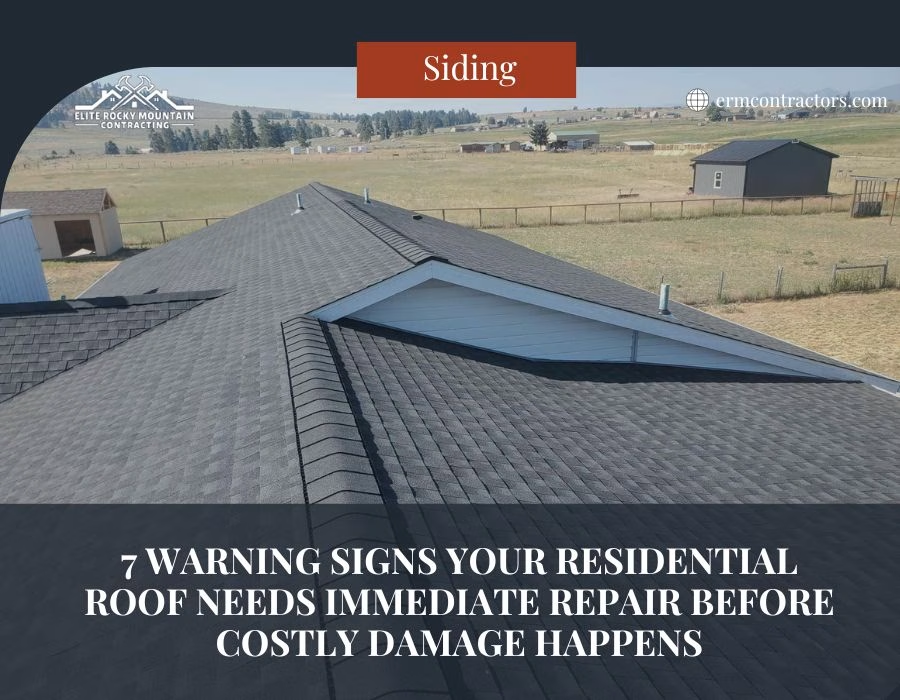
Your roof is one of the most critical parts of your home’s structure. It protects everything inside your house from harsh weather conditions such as heavy rain, strong winds, extreme heat, and even debris from storms. Despite its importance, most homeowners rarely inspect their roof until a serious problem occurs. By that time, repairs are often more expensive and sometimes even require full replacement.
Understanding residential roof repair signs early can help you avoid major damage, reduce repair costs, and extend the life of your roofing system. Roof issues usually develop gradually, and early warning signs are often subtle. If these signs are ignored, they can lead to leaks, structural deterioration, mold growth, and insulation problems.
This detailed guide will help you identify the most important residential roof repair signs so you can take action before small issues turn into costly emergencies.
Why Early Detection of Residential Roof Repair Signs Matters
Many homeowners underestimate how quickly roof damage can escalate. A small crack or missing shingle may not seem urgent, but it can allow water to penetrate layers of your roofing system.
Once moisture enters, it can spread silently and damage:
- Roof decking and structural wood
- Insulation inside your attic
- Ceiling drywall and paint
- Electrical systems in severe cases
Recognizing residential roof repair signs early is not just about preventing leaks. It is about protecting the entire structural integrity of your home.
Early repair also helps you:
- Avoid expensive emergency roofing work
- Maintain energy efficiency
- Prevent mold and mildew growth
- Increase property value
1. Missing, Cracked, or Curling Shingles
One of the most obvious residential roof repair signs is damaged shingles. Shingles act as the first protective barrier against rain, heat, and wind. When they begin to deteriorate, your roof becomes exposed.
Shingles can fail due to:
- Aging materials and natural wear
- Strong winds lifting or tearing them off
- Poor installation or low-quality roofing materials
- Prolonged exposure to UV rays
Cracked or curling shingles allow water to seep underneath the surface. Over time, this leads to roof deck damage and internal leaks.
If you notice multiple damaged shingles, it is a strong indication that your roof requires immediate inspection and possible repair.
Ignoring this issue is one of the fastest ways to shorten your roof’s lifespan.
2. Roof Leaks or Water Stains on Ceilings
Water stains inside your home are one of the most serious roof leak warning signs. If you see yellowish or brown stains on ceilings or walls, it means water has already passed through your roofing system.
Common leak indicators include:
- Dripping water during rainstorms
- Bubbling or peeling paint
- Damp ceiling spots that grow over time
- Musty odors in upper rooms or attic spaces
Roof leaks are often caused by:
- Damaged or missing shingles
- Faulty flashing around chimneys or vents
- Cracked sealants
- Clogged gutters causing water backup
The danger of leaks is that they rarely stay localized. Water spreads horizontally and vertically, damaging insulation, drywall, and structural beams. This is why leaks should always be treated as urgent residential roofing repair needs.
3. Sagging Roof Sections
A sagging roof is one of the most dangerous roof damage indicators because it often signals structural weakness. Unlike surface damage, sagging affects the internal support system of your roof.
Common causes include:
- Long-term water damage weakening wood structures
- Excess weight from moisture, snow, or debris
- Rotting roof decking materials
- Foundation shifting in extreme cases
A sagging roof may appear as a visible dip or uneven line along the roof surface. This condition should never be ignored, as it can lead to partial or full roof collapse if left untreated.
If your roof appears uneven or drooping, immediate professional inspection is necessary.
4. Granules Accumulating in Gutters
Asphalt shingles are coated with protective granules that help shield your roof from UV rays and weather exposure. Over time, these granules begin to wear off naturally.
However, excessive granule loss is a strong residential roof repair sign that your roof is aging faster than expected.
You may notice:
- Sand-like particles in gutters
- Bald spots on shingles
- Dark or inconsistent roof coloring
When granules are lost, shingles lose their protective layer, making them more vulnerable to heat damage and water absorption. This accelerates roof deterioration and reduces overall lifespan.
If you notice heavy granule buildup, your roof may be approaching the end of its functional life.
5. Unexpected Increase in Energy Bills
A less obvious but important residential roof repair sign is rising energy costs. When your roof is damaged or poorly insulated, it allows air to escape from your home.
This forces your HVAC system to work harder, resulting in higher electricity or fuel bills.
Signs include:
- Sudden spikes in monthly energy costs
- Uneven indoor temperatures
- Rooms that feel hotter or colder than others
- Increased reliance on air conditioning or heating systems
Roof damage affects ventilation and insulation efficiency. Small leaks or gaps can significantly impact your home’s energy performance.
Addressing roofing issues early can help restore energy efficiency and reduce long-term utility costs.
6. Mold, Moss, or Algae Growth on Roof Surfaces
Mold, moss, and algae growth may seem like a cosmetic issue, but they are actually strong residential roof repair signs indicating moisture retention.
These organisms thrive in damp environments, often caused by:
- Poor roof drainage
- Shaded roof areas with limited sunlight
- Trapped moisture under shingles
- Clogged gutters or downspouts
Moss growth can lift shingles, allowing water to penetrate underneath. Mold can spread into attic spaces, affecting indoor air quality and potentially causing health issues.
If left untreated, biological growth can significantly shorten your roof’s lifespan.
7. Damaged or Rusted Flashing
Flashing is the thin metal material installed around roof joints such as chimneys, skylights, vents, and edges. It prevents water from entering vulnerable areas.
When flashing becomes:
- Rusted
- Loose
- Cracked
- Poorly sealed
it creates direct pathways for water intrusion.
Flashing failure is one of the most common causes of roof leaks, even when shingles appear to be in good condition. This is why flashing inspection is a critical part of any roof inspection process.
If flashing is damaged, repairs should be done immediately to prevent water infiltration.
The Importance of Acting on Residential Roof Repair Signs Early
Ignoring residential roof repair signs often leads to expensive consequences, including:
- Structural damage to your home
- Interior water damage and staining
- Mold growth in hidden areas
- Increased repair or replacement costs
- Reduced property value
Roof damage rarely improves on its own. Small issues expand over time and become more difficult and expensive to fix.
Early intervention is always more cost-effective and safer for your home.
When You Should Call a Roofing Professional
You should contact a licensed roofing contractor immediately if you notice:
- Multiple residential roof repair signs at once
- Active leaks during rainfall
- Visible sagging or structural issues
- Rapid deterioration after storms or high winds
- Persistent moisture or mold inside the home
A professional inspection can identify hidden issues that are not visible from the ground and recommend the most cost-effective repair solution.
Conclusion
Your roof is your home’s first line of defense, and recognizing residential roof repair signs early is essential for preventing costly damage. Many roofing problems start small but escalate quickly if ignored.
Whether it is missing shingles, water stains, rising energy bills, or sagging sections, each warning sign is an opportunity to act before the damage becomes severe.
By addressing roof leak warning signs and other issues early, you protect not only your roof but your entire home structure. Regular inspections and timely repairs ensure your roofing system remains strong, efficient, and long-lasting.