
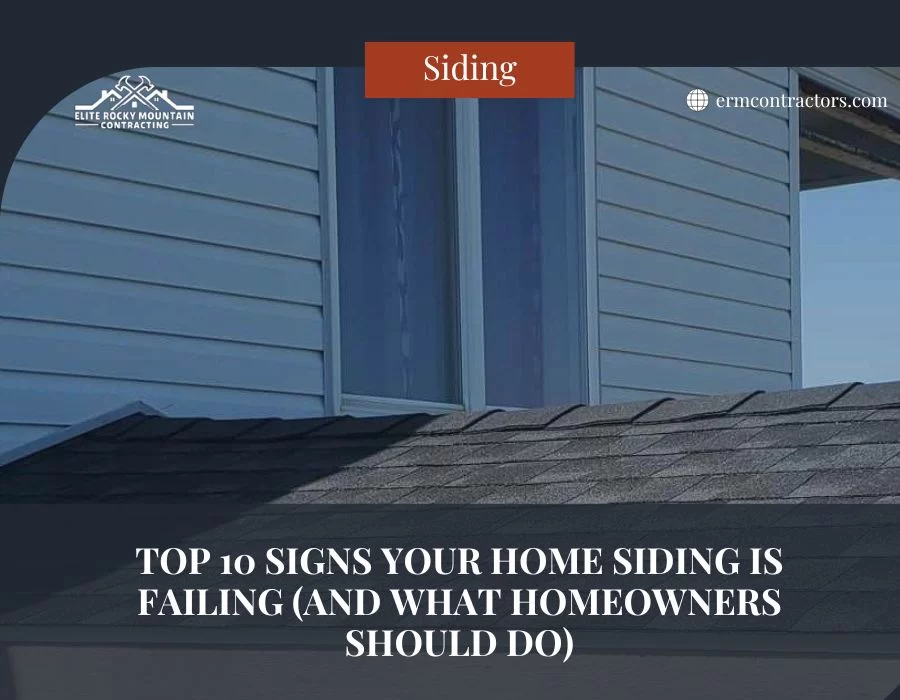
The exterior of your home is more than just its first impression — it’s a critical barrier that protects your home from weather, moisture, pests, and energy loss. Among these protective elements, home siding plays one of the most important roles. Properly maintained siding not only shields your home but also improves energy efficiency, increases curb appeal, and preserves the property’s value.
Over time, siding can degrade due to weather, age, or lack of maintenance. Recognizing early signs of deterioration allows homeowners to act before minor issues turn into costly repairs. In this article, we’ll explore the top 10 smart ways your home siding can protect and improve your home, including what to look for, how to address problems, and when to call a professional.
1. Identifying Cracks and Splits in Your Siding
Cracks and splits are among the earliest signs that your home siding may be failing. Even small gaps can allow water, debris, and pests to enter, potentially damaging the home’s structure. Over time, these cracks can grow larger, leading to moisture problems, wood rot, or insulation damage.
Smart tips:
-
Regularly inspect your siding for visible cracks, especially after storms.
-
Seal minor cracks with high-quality exterior caulk.
-
Replace larger or multiple damaged panels promptly to maintain protection.
Addressing cracks early not only protects your home but also improves energy efficiency by reducing air leaks.
2. Preventing Warping and Buckling
Warped or buckling home siding is often caused by moisture absorption, extreme temperatures, or poor installation. This can affect your home’s appearance and reduce the effectiveness of your siding’s protective barrier.
Smart tips:
-
Check for warped panels during seasonal inspections.
-
Replace affected panels to prevent moisture from seeping into your home’s structure.
-
Ensure proper installation and ventilation when replacing siding to prevent future issues.
Proper attention to warped siding keeps your home structurally sound while improving its visual appeal.
3. Protecting Against Fading and Peeling Paint
For painted siding, fading, peeling, or blistering paint is a common sign of deterioration. This can occur when the siding absorbs moisture or when the paint reaches the end of its lifespan.
Smart tips:
-
Repaint faded areas with high-quality, weather-resistant paint.
-
Address underlying moisture issues before painting to prevent recurring problems.
-
Consider modern, low-maintenance siding materials such as fiber cement or vinyl for long-term durability.
Regular paint maintenance improves the longevity of siding while enhancing your home’s overall look.
4. Spotting Rot and Soft Spots
Rotting home siding, especially wood, occurs when moisture penetrates the material. Soft spots are often a sign that water has infiltrated the siding, causing structural damage or mold growth.
Smart tips:
-
Remove and replace rotting siding immediately to prevent further damage.
-
Inspect areas near windows, doors, and gutters for signs of water intrusion.
-
Upgrade to rot-resistant siding materials such as treated wood or fiber cement for long-lasting protection.
Proactive management of rot not only protects your home but also improves your siding’s durability and energy efficiency.
5. Eliminating Mold, Mildew, and Algae
Mold, mildew, or algae growth on home siding indicates excess moisture exposure. Left untreated, these organisms can weaken siding, discolor the exterior, and even affect indoor air quality.
Smart tips:
-
Clean siding annually with a mixture of water and mild detergent or specialized siding cleaners.
-
Trim vegetation near siding to reduce moisture retention.
-
Ensure gutters and downspouts direct water away from the foundation and siding.
Keeping siding free from mold and mildew not only protects your home but also enhances your property’s appearance.
6. Securing Loose or Missing Panels
Loose or missing siding panels can expose your home to water intrusion, pests, and drafts. These issues may result from extreme weather, poor installation, or aging materials.
Smart tips:
-
Inspect siding panels regularly for looseness or displacement.
-
Fasten loose panels securely or replace missing sections immediately.
-
Use corrosion-resistant fasteners to prevent future issues.
Properly secured siding improves energy efficiency, protects the home from pests, and maintains curb appeal.
7. Addressing Gaps Between Siding Panels
Gaps between home siding panels can develop over time due to material expansion, contraction, or poor installation. Large gaps compromise the siding’s ability to protect against weather, pests, and energy loss.
Smart tips:
-
Use exterior-grade caulk to seal small gaps.
-
Replace panels with significant spacing issues.
-
Ensure proper spacing during new installations to accommodate material expansion.
Filling gaps not only protects the home but also enhances energy efficiency by reducing drafts.
8. Monitoring Energy Bills
One of the indirect signs of failing home siding is a noticeable increase in energy bills. Damaged or compromised siding can allow air leaks, forcing your heating and cooling system to work harder.
Smart tips:
-
Conduct a visual inspection to identify cracked, warped, or missing siding.
-
Seal or replace damaged areas to improve insulation.
-
Consider insulated siding options to enhance energy efficiency long-term.
Monitoring energy usage and siding condition together can save homeowners significant money.
9. Spotting Water Stains or Leaks Inside the Home
Water stains or leaks inside the home may indicate that siding is failing. Water can seep behind panels, damaging walls, insulation, and interior finishes.
Smart tips:
-
Identify and repair the source of leaks immediately.
-
Replace damaged siding and ensure proper flashing is installed.
-
Inspect gutters and downspouts to confirm water is directed away from the home.
Addressing water damage promptly preserves your home’s structure and maintains a healthy indoor environment.
10. Preventing Pest Infestations
Damaged siding can provide entry points for insects, rodents, and other pests. Cracks, holes, and rotting sections are particularly vulnerable.
Smart tips:
-
Seal or replace compromised siding to prevent pests from entering.
-
Treat affected areas and use preventive pest measures.
-
Schedule regular inspections to catch potential issues early.
Protecting siding from pests not only safeguards the home but also improves comfort and peace of mind.
Maintaining Your Home Siding
Regular maintenance extends the life of your home siding and ensures it continues to protect and improve your home. Here are some best practices:
-
Annual cleaning: Remove dirt, mold, and mildew using mild detergent or pressure washing.
-
Regular inspections: Check for cracks, warping, or loose panels at least twice a year.
-
Seal gaps and cracks: Use high-quality caulk to prevent moisture infiltration.
-
Trim vegetation: Keep plants, shrubs, and trees away from siding.
-
Upgrade materials: Consider durable options such as fiber cement or vinyl siding for low-maintenance protection.
Professional Siding Services
At ERM Contracting, we provide expert siding inspection, repair, and replacement services. Our team evaluates your home siding, identifies failing areas, and recommends the best solutions tailored to your home.
Our services include:
-
Siding repair and replacement
-
Exterior siding maintenance
-
Insulated siding upgrades
-
Custom color and material options
Professional siding services ensure your home remains protected, energy-efficient, and visually appealing.
Conclusion
Your home siding is one of the most important elements for protecting and improving your home. Recognizing the top 10 signs your siding is failing allows homeowners to take timely action, whether it’s simple maintenance, repair, or full replacement.
Investing in proper siding care and professional services not only protects your home from moisture, pests, and energy loss but also improves its value, comfort, and curb appeal. A smart approach to siding ensures your home stays beautiful and well-protected for years to come.