
Winter can be harsh on homes in Ava, Missouri, and Florence, Montana, where freezing temperatures, snow, ice, and high winds test every exterior surface. Among the most important elements protecting your home is the siding. Properly installed and maintained siding prevents moisture intrusion, maintains energy efficiency, and shields your home from winter weather.
Delaying a professional home siding replacement can lead to more severe damage, including structural issues, mold growth, energy inefficiency, and higher repair costs. Understanding the signs that siding is failing ensures your home remains safe, warm, and protected.
Why Winter-Ready Siding Matters
Siding is more than a decorative feature—it is the first line of defense against the elements. Quality siding prevents:
-
Water infiltration that can damage walls and insulation
-
Heat loss and drafts that increase energy costs
-
Structural weakening from prolonged exposure to moisture
-
Pests seeking entry into your home during winter
For homeowners in Ava, Missouri, and Florence, Montana, timely home siding replacement ensures your property is prepared for winter and maintains curb appeal, safety, and value.
1. Cracks, Gaps, and Warping
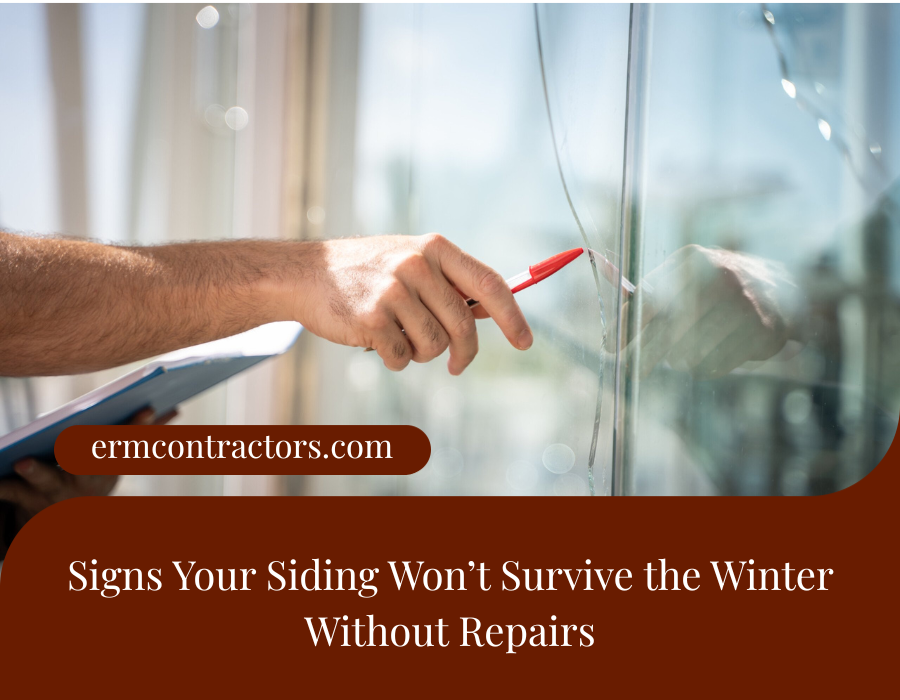
Cracks, gaps, and warped siding panels are among the most obvious signs that your siding may fail during winter. Moisture entering these gaps can freeze, expand, and worsen existing damage.
How to Spot the Problem:
-
Hairline cracks running along panels or boards
-
Separation of siding from the wall or foundation
-
Uneven surfaces or buckling
A timely professional home siding replacement prevents further damage and ensures your home is ready to withstand freezing temperatures and ice accumulation.
2. Peeling Paint or Faded Finish
Faded or peeling siding paint indicates the protective layer is compromised. Without protection, materials like wood, fiber cement, or composite siding are vulnerable to moisture, freeze-thaw cycles, and pest damage.
Example: A home in Ava, Missouri with peeling siding experienced water intrusion that froze and caused wood rot in just one winter. Professional home siding replacement can prevent this from happening by providing durable, weather-resistant materials.
3. Moisture Damage and Mold
Water trapped behind siding can lead to:
-
Wood rot or weakening of the home’s structural framework
-
Mold growth affecting indoor air quality
-
Insulation degradation
Winter ice and snow exacerbate these issues. Even a small leak behind siding can expand and damage walls. Professional home siding replacement ensures proper sealing and moisture protection, eliminating hidden risks.
4. Rising Energy Bills
An increase in heating costs is often a signal that siding is no longer insulating effectively. Cold air leaks force your HVAC system to work harder, increasing monthly energy bills.
Benefits of Home Siding Replacement:
-
Maintains consistent indoor temperatures
-
Improves insulation efficiency
-
Reduces heating costs during winter
Materials like insulated vinyl, fiber cement, and engineered wood can significantly improve energy efficiency for homes in Ava, Missouri, and Florence, Montana.
5. Loose or Missing Panels
Loose, warped, or missing siding panels are highly vulnerable to winter weather. Gaps allow wind and water to penetrate, which can cause:
-
Structural damage
-
Water infiltration and rot
-
Pest infestations
Professional home siding replacement guarantees all panels are properly secured and winter-proofed, giving homeowners peace of mind.
6. Rotting or Soft Underlying Material
Even siding that looks intact may conceal soft or rotting material underneath. Moisture trapped behind siding can accelerate decay during freezing conditions, compromising the home’s structural integrity.
Elite Rocky Mountain Contractors specialize in home siding replacement, replacing compromised areas to protect your home and ensure long-term durability.
7. Pest Infestations
Damaged siding is a prime entry point for pests seeking shelter in winter. Rodents, insects, and other critters can:
-
Damage insulation and wiring
-
Spread disease
-
Cause costly repairs
Professional home siding replacement eliminates entry points, secures your home, and strengthens its defenses against winter pests.
Choosing the Right Siding Before Winter
Selecting the best siding is crucial for winter protection. Key considerations include:
-
Material Options: Vinyl, fiber cement, composite, or engineered wood
-
Insulation: Insulated siding increases energy efficiency and warmth
-
Durability: Materials that can withstand freeze-thaw cycles, ice, snow, and wind
-
Maintenance: Choose low-maintenance options for easier upkeep
Professional home siding replacement ensures proper installation, alignment, and sealing, maximizing both performance and lifespan.
Maintenance Tips for Winter-Ready Siding
-
Clean siding and remove debris before snow
-
Inspect and repair caulking or sealant around windows and doors
-
Check for minor cracks or damage and fix promptly
-
Schedule professional inspections for hidden problems
-
Trim overhanging branches that could scratch or damage siding
Proper maintenance combined with home siding replacement ensures your home survives winter unscathed.
Additional Winter-Proofing Tips
-
Keep gutters and downspouts clean to prevent ice buildup
-
Seal gaps around vents, pipes, and utility lines
-
Consider adding insulation behind siding for extra thermal protection
-
Use weather-resistant paint or finishes on exterior trims
By taking these steps alongside home siding replacement, your home in Ava, Missouri, and Florence, Montana will be fully winter-ready.
Frequently Asked Questions (FAQs)
1. How do I know if my siding needs replacement before winter?
Check for cracks, peeling paint, moisture damage, loose panels, and rising energy bills. Professional home siding replacement may be required.
2. Can minor repairs save siding for the winter?
Temporary fixes can help, but professional home siding replacement ensures long-term durability and protection.
3. Which siding materials work best for Ava, Missouri, and Florence, Montana?
Fiber cement, insulated vinyl, and engineered wood provide the best protection and energy efficiency.
4. How long does siding installation take?
Depending on home size, materials, and weather conditions, siding installation typically takes a few days.
5. Does siding replacement improve energy efficiency?
Yes. Properly installed siding reduces heat loss, increases insulation, and keeps your home warmer in winter.
6. Can siding replacement be done during winter?
Minor repairs are possible, but full professional home siding replacement is recommended before snowfall and freezing temperatures.
7. How much does a home siding replacement cost?
Costs vary based on materials, home size, and labor. Professional estimates ensure accurate budgeting.
Conclusion
Ensuring your home is protected during winter starts with high-quality siding. Professional home siding replacement transforms your exterior, enhances energy efficiency, and prevents costly winter damage in Ava, Missouri, and Florence, Montana.
Expert siding installation by Elite Rocky Mountain Contractors guarantees your home is secure, visually appealing, and fully prepared for harsh winter weather.
For professional guidance and installation, contact Elite Rocky Mountain Contractors today to schedule a consultation and protect your home before winter hits.