
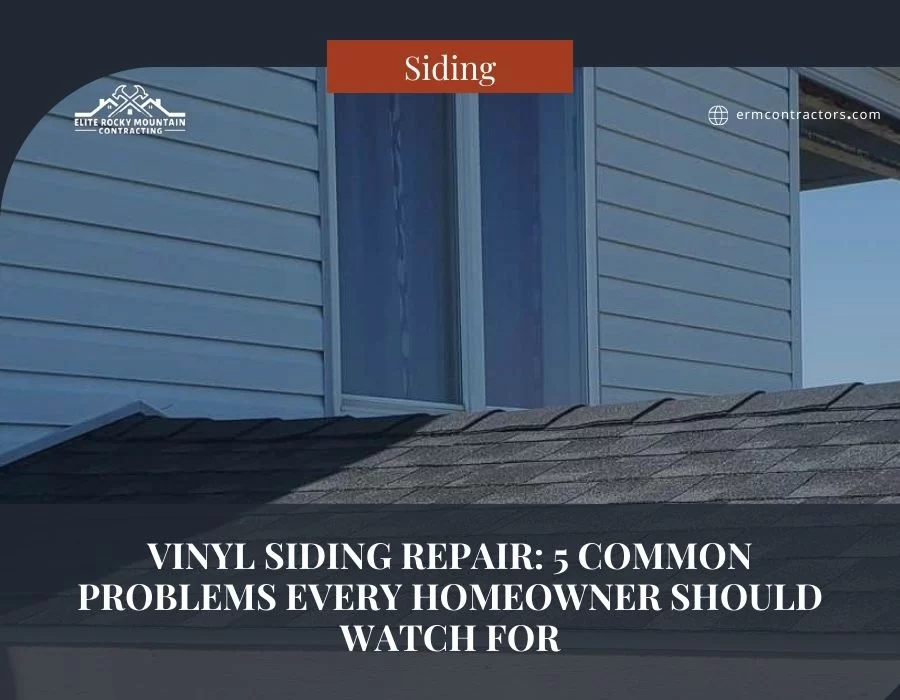
Vinyl siding is a popular choice for homeowners because of its durability, low maintenance requirements, and ability to enhance curb appeal. However, despite its long-lasting nature, vinyl siding is not immune to wear, damage, or environmental stressors. Harsh weather conditions, impact from debris, improper installation, and aging can all contribute to problems that require timely vinyl siding repair.
Addressing these issues promptly protects your home from water damage, mold growth, energy loss, and structural concerns. Neglecting even minor siding problems can quickly escalate, resulting in expensive repairs or the need for a full siding replacement. By understanding common siding problems and the benefits of professional intervention, homeowners can ensure their homes remain protected, energy-efficient, and visually appealing.
This guide will cover the five most common vinyl siding issues, explain how to identify them, and provide solutions for effective vinyl siding repair.
Why Vinyl Siding Repair Is Essential
Vinyl siding is engineered to withstand exposure to sunlight, rain, wind, and fluctuating temperatures. However, like any exterior material, it can sustain damage over time. Ignoring issues such as cracks, warping, or moisture intrusion can compromise your home’s exterior and lead to costly repairs.
Professional vinyl siding repair ensures that damaged sections are replaced or fixed correctly, preventing further deterioration. Homeowners should also consider regular siding maintenance tips, such as cleaning, inspection, and minor repairs, to extend the life of their siding and maintain their home’s appearance.
Additionally, timely vinyl siding repair can prevent common problems that affect the efficiency of your siding system, such as water intrusion, pest entry, and insulation loss. In some cases, siding replacement may be necessary if damage is extensive, but most issues can be resolved with skilled repair services.
1. Cracks and Splits in Vinyl Panels
Cracks and splits are one of the most common reasons homeowners require vinyl siding repair. Panels can crack due to:
-
Temperature fluctuations causing expansion and contraction
-
Impact from hail, branches, or landscaping equipment
-
Age-related fatigue of siding material
Cracks allow water to penetrate behind the siding, potentially damaging insulation and wooden structures. Over time, this can lead to mold growth, rotting, and reduced energy efficiency. Minor splits can often be sealed or patched, but larger cracks usually require replacing the affected panels.
Regular inspections and professional vinyl siding repair are essential for catching these problems early. Homeowners should also use siding maintenance tips such as checking for loose or damaged panels after storms to prevent further damage.
2. Warping and Buckling
Vinyl siding can warp or buckle when exposed to excessive heat, moisture, or poor installation practices. Warping not only affects the home’s appearance but also creates gaps where water and pests can enter.
Signs of warping include:
-
Panels that appear wavy or uneven
-
Gaps between panels or separation from the wall
-
Panels that seem loose or misaligned
Professional vinyl siding repair for warping often involves realigning panels, replacing affected sections, and correcting installation errors. Ensuring proper fastening and spacing during repair prevents future issues.
Additionally, homeowners should consider siding replacement if warping is widespread. Incorporating siding maintenance tips, such as keeping siding free from prolonged moisture exposure and trimming nearby trees, can reduce warping risks.
3. Loose or Missing Panels
Loose or missing siding panels are common after severe storms or high winds. These gaps compromise your home’s protective exterior and allow water, pests, and drafts to enter.
Professional vinyl siding repair addresses loose or missing panels by:
-
Securing loose panels
-
Replacing missing sections
-
Inspecting surrounding areas for hidden damage
Using proper siding installation services ensures panels are fastened correctly, reducing the likelihood of future problems. Prompt repair protects your home’s exterior and maintains energy efficiency, while delaying repair can lead to extensive siding damage and the need for a full siding replacement.
4. Fading and Discoloration
Vinyl siding can fade or discolor over time due to prolonged sun exposure and environmental pollutants. While often considered a cosmetic issue, severe fading may indicate UV damage that weakens the siding material.
Vinyl siding repair for fading may include:
-
Professional cleaning to remove dirt, mold, and mildew
-
Repainting or refinishing with specialized coatings
-
Replacing panels that are severely damaged
In addition to professional vinyl siding repair, homeowners should follow siding maintenance tips like regular washing and applying protective coatings. This helps preserve color, improves curb appeal, and extends the life of the siding.
5. Moisture and Mold Problems
Moisture trapped behind vinyl siding is one of the most serious issues homeowners face. Improper installation, damaged flashing, or gaps around windows and doors allow water to seep behind panels.
Signs of moisture problems include:
-
Soft spots behind siding panels
-
Visible mold or mildew growth
-
Musty odors inside the home
Professional vinyl siding repair involves removing affected panels, treating mold or mildew, addressing the source of moisture, and reinstalling panels correctly. Regular siding maintenance tips, such as inspecting flashing and trim, can help prevent moisture buildup before it causes serious damage.
How to Maintain Vinyl Siding
Preventive care is key to avoiding costly vinyl siding repair. Homeowners should:
-
Inspect siding regularly for cracks, warping, and loose panels
-
Wash siding annually with mild soap and water to remove dirt, mold, and mildew
-
Trim trees and shrubs to prevent impact damage
-
Check caulking and flashing around windows, doors, and corners
-
Schedule a professional siding inspection periodically
Following these siding maintenance tips helps homeowners identify issues early and reduces the frequency and cost of vinyl siding repair.
The Benefits of Professional Vinyl Siding Repair
Hiring a professional ensures that repairs are done correctly and last for years. Professionals offer:
-
Accurate identification of underlying issues
-
Proper replacement or repair techniques
-
Long-lasting solutions that prevent recurring problems
-
Expert siding installation services when panels need to be replaced
Investing in professional vinyl siding repair preserves home value, enhances curb appeal, and maintains energy efficiency. It also ensures that siding problems don’t lead to more extensive damage, such as water intrusion or pest infestation.
When to Consider Siding Replacement
While vinyl siding repair can solve most issues, there are situations where siding replacement is the best option:
-
Damage is extensive or affects multiple panels
-
Warping, fading, or cracking is widespread
-
Water damage or mold has compromised the structure behind the siding
-
The siding is approaching the end of its lifespan
A professional siding inspection can help homeowners determine whether repair or siding replacement is the most cost-effective solution. Combining repair and replacement strategies often ensures maximum durability and aesthetic appeal.
Conclusion
Vinyl siding repair is essential for maintaining a home’s exterior protection, appearance, and energy efficiency. From cracks and warping to loose panels, fading, and moisture problems, understanding common siding issues allows homeowners to act promptly.
Professional vinyl siding repair, paired with regular siding maintenance tips, ensures that your siding remains effective and visually appealing for years. By addressing problems early, homeowners prevent minor issues from becoming major, costly repairs and maintain the long-term value of their home.
Investing in proper repair, maintenance, and professional inspections is the key to keeping your vinyl siding strong, safe, and beautiful.