
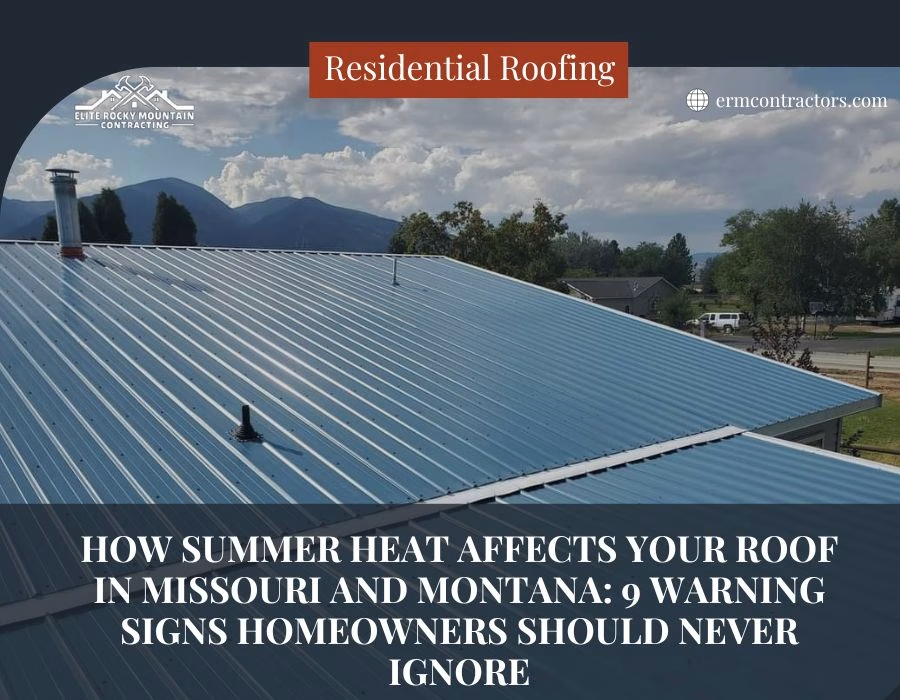
Summer brings longer days, warmer weather, and more opportunities to enjoy time outdoors. However, while homeowners are focused on outdoor activities and home improvement projects, their roofs are often exposed to extreme temperatures that can silently cause serious damage. Summer roof damage is a common issue that affects homes throughout Missouri and Montana, especially during periods of intense heat, prolonged sun exposure, and severe summer storms.
Your roof serves as the first line of defense against the elements, but constant exposure to high temperatures can weaken roofing materials over time. What starts as minor wear and tear can quickly develop into leaks, structural issues, and expensive repairs if left unaddressed.
Understanding the warning signs of summer roof damage can help homeowners take action before small problems become major expenses. Here are nine critical signs that your roof may be suffering from heat-related damage.
What Causes Summer Roof Damage?
Summer roof damage occurs when roofing materials expand under intense heat and contract as temperatures cool during the evening. This continuous cycle places stress on shingles, flashing, underlayment, and other roofing components.
Homes in Missouri often experience hot, humid summers, while Montana homes can face intense sunlight and fluctuating temperatures. These conditions accelerate the aging process of roofing materials and increase the risk of roof heat damage.
Common causes of summer roof damage include:
- Prolonged UV exposure
- Excessive attic temperatures
- Thermal expansion and contraction
- Severe thunderstorms
- High winds
- Hail events
- Poor roof ventilation
- Aging roofing materials
Regular roof inspections and summer roof maintenance can help identify problems before they become severe.
1. Curling or Buckling Shingles
One of the most noticeable signs of summer roof damage is curling or buckling shingles. As shingles absorb heat throughout the day, they expand. Over time, repeated expansion and contraction can cause shingles to lose their shape.
Curling shingles often indicate that the roof is experiencing excessive heat exposure or poor ventilation. Once shingles begin to curl, they become more vulnerable to wind damage, water infiltration, and premature failure.
Homeowners should regularly inspect their roofs from the ground and look for areas where shingles appear lifted, warped, or uneven.
2. Cracked or Splitting Shingles
Roof heat damage can cause asphalt shingles to become brittle. As roofing materials age under constant UV exposure, they lose flexibility and become more likely to crack.
Cracked shingles compromise your roof’s ability to shed water effectively. Even small cracks can allow moisture to penetrate beneath the roofing system, leading to leaks and structural deterioration.
If you notice visible cracks or splits, scheduling a professional roof inspection is highly recommended.
3. Missing Granules on Asphalt Shingles
Asphalt shingles contain protective granules that shield the roof from ultraviolet radiation. Summer roof damage often accelerates granule loss, leaving shingles exposed to direct sunlight.
Signs of granule loss include:
- Bare spots on shingles
- Uneven roof coloration
- Excessive granules in gutters
- Granule accumulation near downspouts
Without adequate granule protection, shingles deteriorate more quickly and become susceptible to additional roof heat damage.
4. Excessively Hot Attic Temperatures
An unusually hot attic may indicate ventilation issues that contribute to summer roof damage. When heat becomes trapped inside the attic, temperatures can exceed 150 degrees Fahrenheit during peak summer months.
Poor ventilation causes roofing materials to age faster and may lead to:
- Increased energy costs
- Moisture buildup
- Premature roof deterioration
- Reduced shingle lifespan
A properly ventilated attic helps regulate temperatures and reduces stress on the roofing system.
5. Rising Energy Bills
Have your cooling costs increased unexpectedly? Summer roof damage may be affecting your home’s energy efficiency.
When roofing materials become damaged, your home can absorb more heat. Combined with poor attic ventilation, this forces your air conditioning system to work harder to maintain comfortable indoor temperatures.
If you notice a significant increase in utility bills during the summer, it may be time to have your roof evaluated by a professional roofing contractor.
6. Roof Discoloration and Fading
Constant exposure to sunlight can cause noticeable fading and discoloration across your roof surface. While some fading is natural, excessive discoloration often signals advanced UV damage.
Roof heat damage weakens roofing materials over time and may indicate that shingles are approaching the end of their service life.
Pay attention to areas where the roof appears significantly lighter or darker than surrounding sections. Uneven discoloration may point to underlying roofing concerns that require professional attention.
7. Interior Water Stains and Leaks
Summer roof damage does not always remain visible on the exterior. Sometimes the first sign appears inside your home.
Watch for:
- Ceiling stains
- Wall discoloration
- Peeling paint
- Mold growth
- Musty odors
Heat-related roof deterioration can create openings that allow moisture to enter the home during summer storms. Even minor leaks can lead to costly water damage if left untreated.
Prompt repairs can prevent further deterioration and protect your home’s structure.
8. Damaged Flashing Around Roof Features
Flashing protects vulnerable areas where the roof meets chimneys, skylights, vents, and walls. During periods of extreme heat, flashing materials can expand, shift, or deteriorate.
Damaged flashing is a common contributor to summer roof damage because it creates entry points for water intrusion.
Inspect visible flashing for:
- Rust
- Cracks
- Gaps
- Loose sections
- Bent metal
Maintaining flashing is an important part of summer roof maintenance and helps preserve the integrity of your roofing system.
9. Sagging Roof Sections
A sagging roof is one of the most serious signs of summer roof damage and should never be ignored.
Persistent heat exposure, moisture infiltration, and structural weakening can eventually cause portions of the roof deck to sag. This issue may indicate extensive underlying damage that requires immediate professional evaluation.
Signs of sagging include:
- Uneven roof lines
- Visible dips
- Low spots on the roof surface
- Interior ceiling deformation
If you observe any sagging, contact a roofing professional as soon as possible.
Why Missouri and Montana Homeowners Should Be Especially Concerned
Missouri and Montana experience unique climate conditions that place significant stress on roofing systems.
Missouri homeowners frequently deal with:
- High humidity
- Intense summer heat
- Thunderstorms
- Hail events
- Strong winds
Montana homeowners often face:
- High-altitude UV exposure
- Rapid temperature fluctuations
- Summer storms
- Wind-driven weather conditions
These environmental factors increase the likelihood of summer roof damage and make regular roof inspections especially important.
How Summer Roof Maintenance Protects Your Investment
Preventative maintenance remains one of the most effective ways to reduce the risk of summer roof damage.
Homeowners should consider:
- Scheduling annual roof inspections
- Cleaning gutters and downspouts
- Checking attic ventilation
- Removing debris from the roof surface
- Monitoring shingles for signs of wear
- Addressing minor repairs promptly
The National Roofing Contractors Association recommends regular roof inspections to help identify roofing issues before they lead to significant damage.
For additional roofing maintenance guidance, homeowners can review resources provided by the National Roofing Contractors Association at https://www.nrca.net.
Homeowners may also benefit from energy-efficiency recommendations available through the U.S. Department of Energy at https://www.energy.gov.
When to Schedule a Professional Roof Inspection
Many signs of summer roof damage are difficult to identify without professional training. A comprehensive roof inspection can uncover hidden issues before they result in expensive repairs or premature roof replacement.
You should consider scheduling a roof inspection if:
- Your roof is more than 10 years old
- You notice missing or damaged shingles
- Your attic becomes excessively hot
- Utility bills are increasing
- A recent storm impacted your property
- You observe leaks or water stains
Professional inspections provide peace of mind and help homeowners make informed decisions about roof maintenance and repairs.
Protect Your Home from Summer Roof Damage
Summer roof damage can develop gradually, but the consequences can be significant if warning signs are ignored. Curling shingles, granule loss, attic heat buildup, rising energy bills, and water intrusion are all indicators that your roof may need attention.
By understanding these nine warning signs and investing in regular summer roof maintenance, homeowners in Missouri and Montana can extend the lifespan of their roofing systems and avoid costly repairs.
If you suspect your roof is experiencing roof heat damage, scheduling a professional roof inspection is the best way to protect your investment and ensure your home remains safe, comfortable, and prepared for every season.